(SeaPRwire) – By: Adrian Kingsley
New York finally gets a ticker-tape parade for its NBA champions tomorrow. The Knicks won three titles, but the first two came and went without the city’s signature confetti storm. That gap deserves a cold, hard look. The official story blames budget cuts and a mayor who preferred intimate receptions. But what really happened is a masterclass in how micro-bureaucracy can kill civic emotion.
In 1970, Mayor John Lindsay faced a recession. The city’s events budget was slashed. His public events commissioner, former Knicks star Bud Palmer, worked for a symbolic $1 salary. He submitted a $372 bill—roughly $3,300 today—for materials used in the 1969 Mets World Series parade. The city rejected it. Palmer was peeved. After that, no more ticker-tape parades for the Knicks in 1970 or 1973. Lindsay hosted them at the mayoral mansion and City Hall instead. That was the official policy: small, personal, cheap.
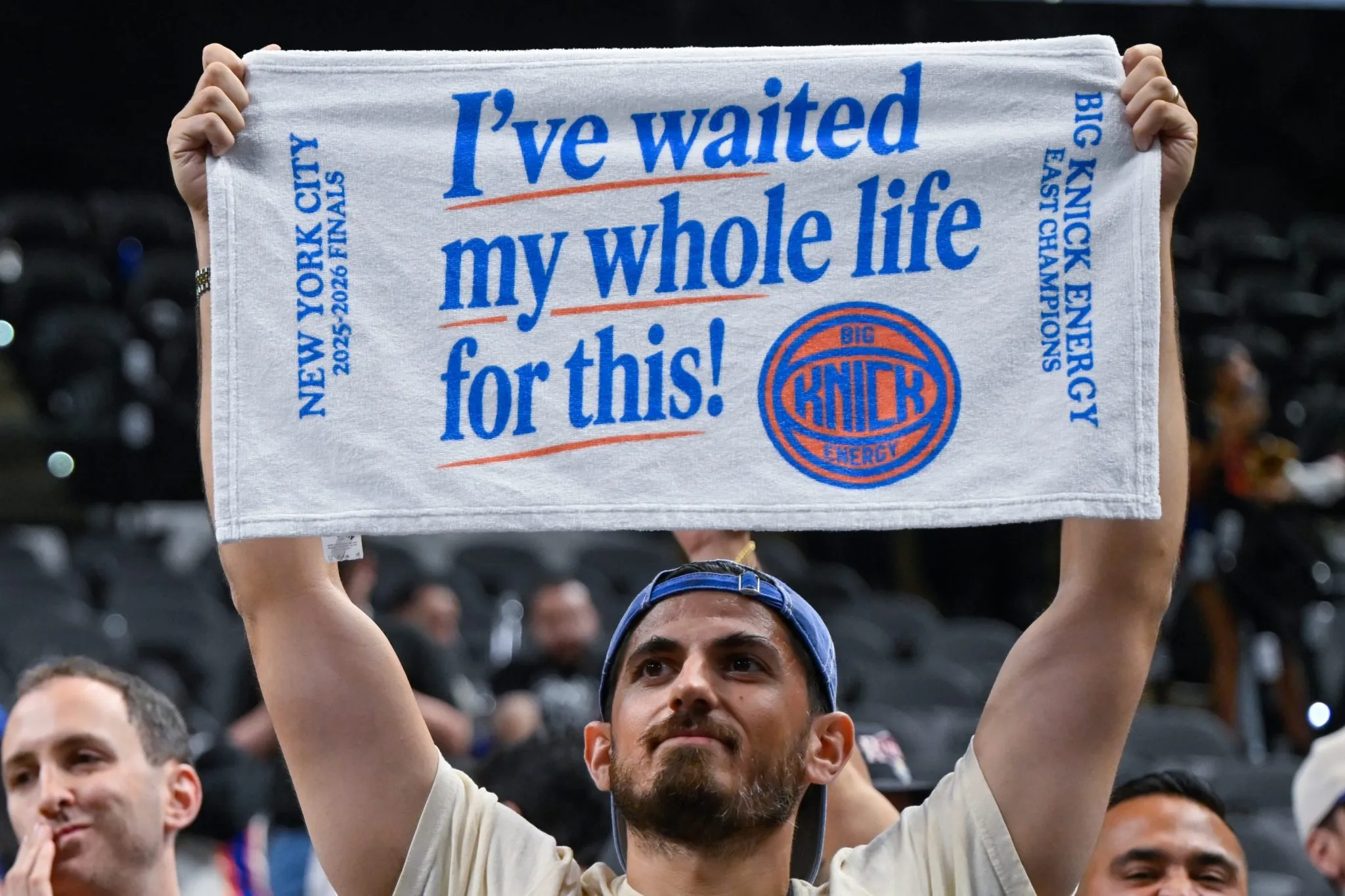
The real social impact was a 55-year wait. Fans watched other teams get parades—the Mets, the Liberty, even the 1924 Olympic team. The Knicks were denied a public celebration that had become a New York birthright. The 1973 city hall ceremony drew 2,000 fans and police struggled to control them. That was the lid on a pressure cooker. Now Mayor Zohran Mamdani predicts Thursday’s parade might be the largest in city history. The pent-up demand is not a coincidence. It is a direct consequence of that $372 rejection.
The lesson for municipal governance is blunt: small, line-item decisions in a budget crisis can distort cultural memory for decades. A $372 bill is not a strategic policy. It is a scrap of paper. Yet it became the hinge on which an entire city’s relationship with its sports heroes swung. No grand strategy eliminated the parades. A nickel-and-dime squabble did. That is the real story beneath the confetti. City officials should remember it next time they reach for a red pen.