Astrall’s Hypertron-T01: Ditching the Mobility-Payload Trade-Off That Endangered Firefighters Business

Astrall’s Hypertron-T01: Ditching the Mobility-Payload Trade-Off That Endangered Firefighters

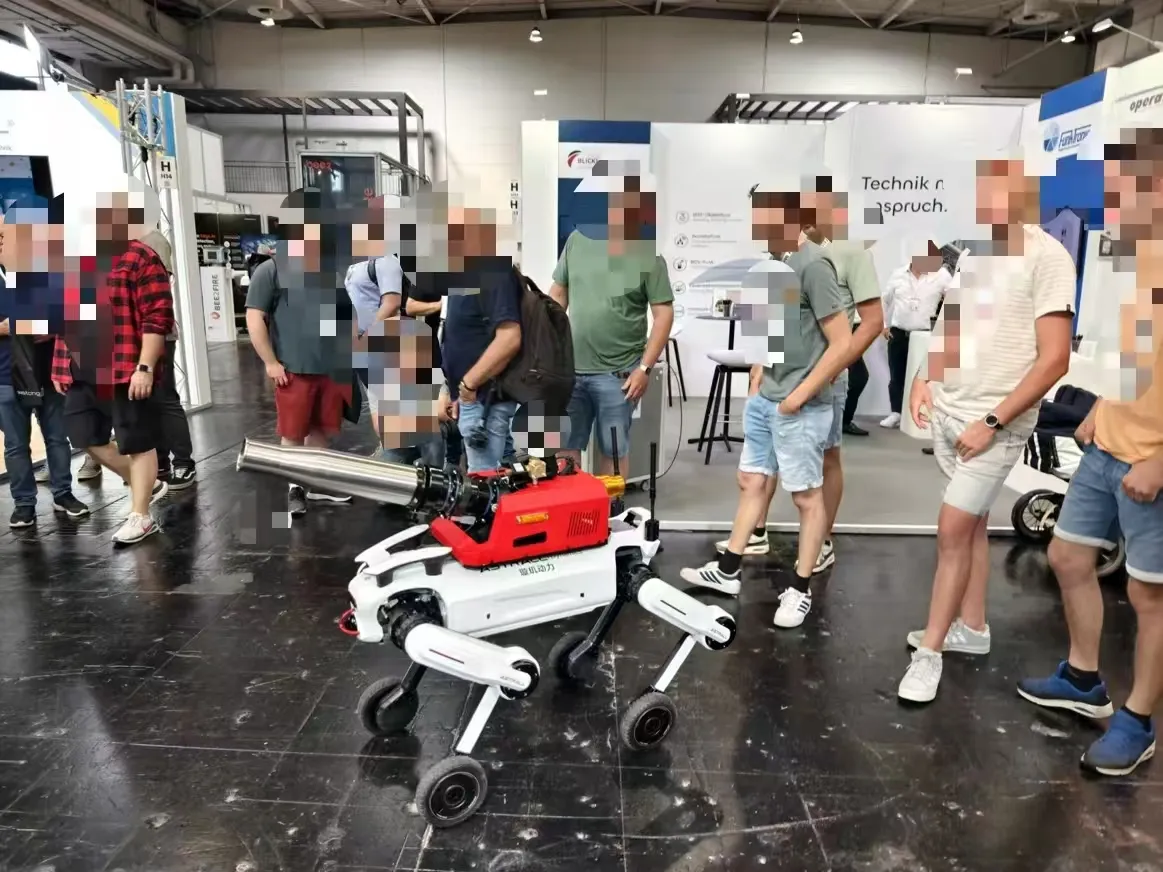
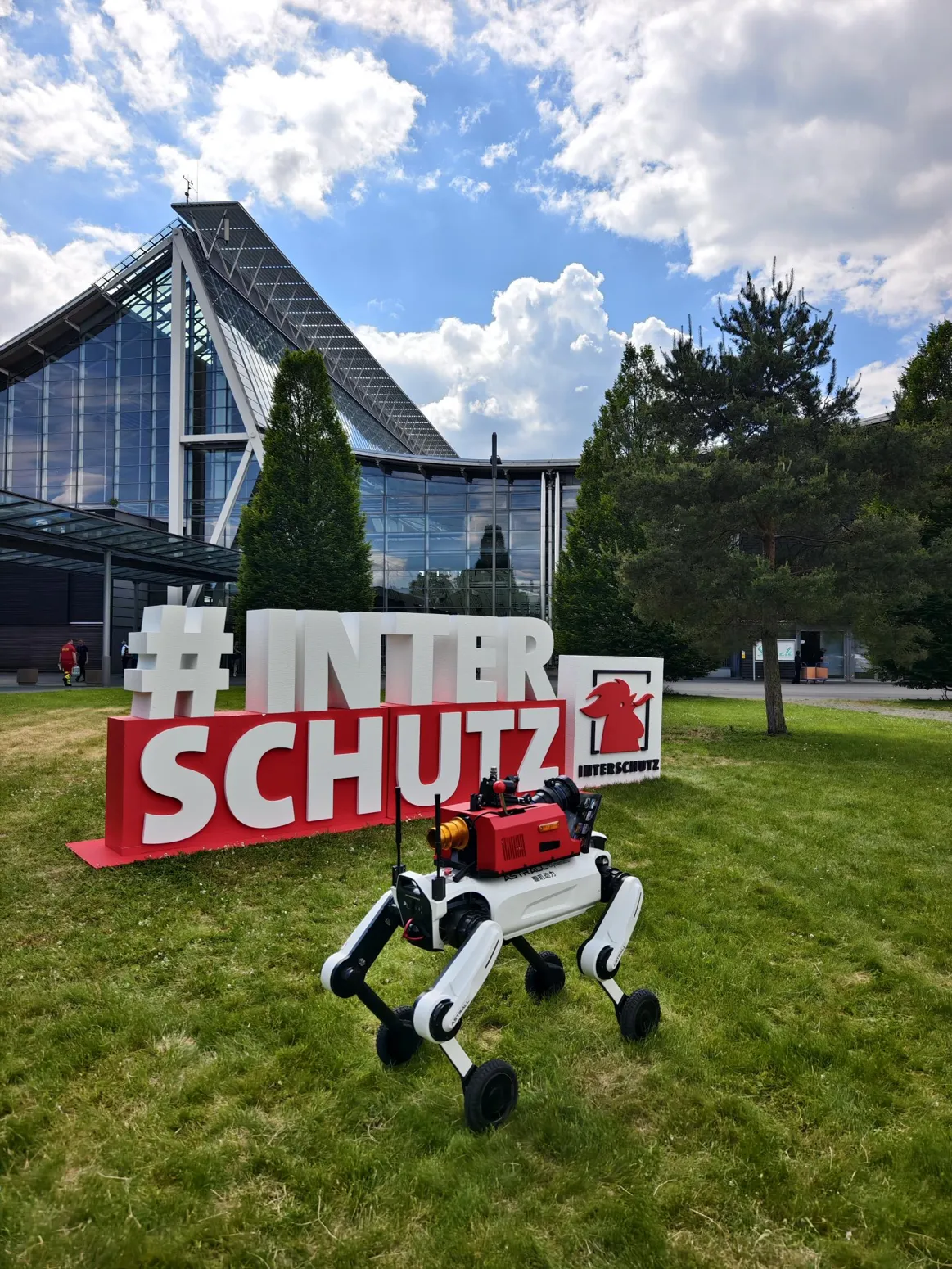
(SeaPRwire) -By: Alex Mercer Traditional firefighting robots have always forced a rotten choice. Pick one: nimble enough to crawl through rubble, but can’t carry a full water cannon. Or pack heavy gear, but get stuck on uneven ground. I talked to a Chicago firefighter last month. He said his department’s robot sat idle during a warehouse fire. It couldn’t drag a hose up a collapsed stairwell. Astrall Dynamics’ Hypertron-T01, unveiled at INTERSCHUTZ 2026 in Hanover, claims to fix this gap. The official release cites an 80kg dynamic payload. That means it can carry a high-pressure water cannon and drag heavy hoses through debris. It has IP67 protection, working in rain, dust, or mud. It operates from -20°C to 55°C, with an 8-hour runtime. The subtext here is clear: this isn’t a demo toy. The specs are built for the worst fireground conditions. The team includes frontline firefighting veterans, so they know exactly what fails in real use. The official release details more key features. The integrated water cannon delivers 20L/s flow, with a 60-meter range and 120-degree angle. Its stabilization system keeps fire suppression effective while climbing 45-degree slopes or navigating narrow pipelines. Remote control keeps operators safe. Most importantly, the robot has already completed bulk delivery to China Southern Power Grid. It’s now accepting global orders. The subtext here is that Astrall isn’t waiting for validation. They’ve already sold to a major industrial client, proving their tech works in high-stakes environments. Shenzhen’s deep drone supply chain gives Astrall a 12-month lead over Silicon Valley competitors. Author bio: Alex Mercer, Tech Director at a Silicon Valley robotics firm, with 15 years analyzing industrial automation and rescue technology solutions.
More
The 80kg Workhorse: Why Astrall Dynamics Just Scared the Robotics Industry Business

The 80kg Workhorse: Why Astrall Dynamics Just Scared the Robotics Industry

(SeaPRwire) -By: Alex Mercer Most quadruped robots are glorified research projects. They struggle to carry useful loads while moving fast. Astrall Dynamics claims they solved this. At INTERSCHUTZ 2026, they showed the Hypertron-T01. It is positioned as a heavy-duty firefighter. But specs on paper often lie about physics in the field. The official spec sheet lists an 80kg dynamic payload. It drags heavy supply hoses through debris. The platform supports IP67 protection. It operates from -20°C to 55°C. The industry subtext is clear. They are targeting the dirty jobs where humans die. An 8-hour runtime is critical. It means the machine won't become a dead weight in a burning building. They integrated a water cannon with a 20L/s flow rate. It hits targets 60 meters away. The stabilization system works on 45-degree slopes. This engineering matters because fire grounds are never flat. The team includes firefighting veterans. That is not PR fluff. It explains why China Southern Power Grid already took bulk delivery. They built what the guys on the line actually asked for. Shenzhen is exporting embodied intelligence that works. The era of Western dominance in heavy industrial robotics is facing a serious challenge. Author bio: Alex Mercer, Tech Director and Geek Analyst at a major Silicon Valley firm.
More
This Chinese Quadruped Robot Fixed Firefighting Robotics’ Oldest Flaw Business

This Chinese Quadruped Robot Fixed Firefighting Robotics’ Oldest Flaw

(SeaPRwire) -By: Alex Mercer For years, every quadruped firefighting robot I’ve tested falls short. Either it carries enough gear but can’t navigate rough terrain. Or it moves well but lacks the power to put out real fires. Most units only work perfectly in staged demo videos. Fire departments waste hundreds of thousands on useless tools. The official release says Astrall Dynamics launched Hypertron-T01 at INTERSCHUTZ 2026. It packs an 80kg dynamic payload and a fully integrated high-pressure water cannon. The cannon hits 20L per second flow, 60-meter range, 120-degree projection angle. It can suppress fire while climbing 45-degree slopes or navigating tight pipes. No other robot on the market solves the old mobility vs firepower tradeoff. Most competitors mount cannons externally and can’t drag full hoses through debris. The robot has IP67 protection for rain, dust, mud and wet conditions. It works across a temperature range from -20°C to 55°C. It runs 8 hours straight to avoid mid-operation power loss. It comes with built-in thermal imaging, gas detection, and 3D LiDAR. It already finished bulk delivery to China Southern Power Grid, and is now taking global orders. Astrall is a Shenzhen-based firm with a core team from a leading Chinese drone maker, backed by Pre-A industrial VC. This is not a flashy concept prototype. It’s already passed real-world field validation. Chinese specialized industrial robotics players will grab a huge chunk of the global rescue robot market fast. Western incumbents can’t match their speed, validation, and pricing. Author bio: Alex Mercer, Tech Director at a major Silicon Valley firm, focuses on industrial robotics R&D and testing.
More

Anatomy of a Kill Shot: Why SKG’s PS700 Ends the Neck Pain Charade

(SeaPRwire) -By: TechVanguard Most neck massagers are absolute garbage. They vibrate the skin and ignore the real pain. SKG is trying to rewrite that failure with the PS700. It is not just another gadget. It is an anatomical weapon. The industry has been stuck on surface-level relief for a decade. This device claims to punch through that barrier. It targets the specific muscles that actually hurt. We are witnessing a shift from simple vibration to mechanical intervention. This is a necessary evolution for a tired market segment. The PS700 utilizes dual biomimetic kneading heads. A 3025 brushless motor drives them at 3,000 RPM. It generates 23 mN·m of torque. That is significant power for a neck wearable. The hollow-core silicone adapts to the neck curve. It traces a 360-degree arc to hit deep spots. This targets the semispinalis and splenius muscles. These sit beneath the trapezius where tension hides. Traditional devices miss them completely. The noise level is just 45 dB. You can wear this at a desk without drawing attention. Heat implementation here is aggressive and layered. It uses three distinct sources simultaneously. There is 830 nm near-infrared light for deep warmth. There are 28 red-light LEDs across the surface. An FPC heat film ensures consistent contact. It reaches soothing warmth in just 3 seconds. A 10-minute timer keeps sessions safe. The audio system features dual acoustic chambers. It connects via Bluetooth for stereo sound. The battery is 1,400 mAh. It lasts 120 minutes per charge. The unit weighs 0.59 kg. Why add audio to a massager? It is about total immersion. Recovery is not just physical anymore. It is a mental state requiring management. SKG is packaging a spa experience in a commuter-friendly form. The price point is $179.99. This sits firmly in the premium bracket. They are betting users will pay for real relief over cheap buzzers. The competition is likely watching closely. This raises the bar for motor torque and heat complexity. It forces the industry to step up. Supply chains for brushless motors at this scale are tightening. Sourcing 3025 motors with high torque is not trivial. The inclusion of near-infrared tech suggests a pivot toward medical-adjacent features. Consumer wellness is bleeding into clinical territory. We will see others try to copy the "lift-and-press" motion. It is harder to engineer than it looks. The market is saturated with ineffective toys. Differentiation now requires actual biomechanics. The days of vibrating plastic collars are numbered. The PS700 effectively kills the cheap vibration market. Author bio: TechVanguard, a tech opinion leader with millions of followers on X/Twitter.
More
Most Nutraceuticals Fake Their ‘Science Backing’ — This One Just Registered Three Real Trials Business

Most Nutraceuticals Fake Their ‘Science Backing’ — This One Just Registered Three Real Trials

(SeaPRwire) - By: Logan Pierce Most nutraceutical brands sell "science-backed" products with zero finished-product trials. They cite old ingredient studies from decades back, done on pure compounds not their actual pills. Consumers can’t tell the difference between marketing fluff and real, verifiable data. NatureU’s latest move strips away that usual PR fluff by putting all its trial data on a public, independent registry. That’s not standard operating procedure for this massive global consumer wellness industry. June 5, 2026, Hong Kong-based OmniSolutions added a third NatureU trial to ClinicalTrials.gov. The new entry is a 56-day study of its oral PQQ beauty supplement, registered as NCT07571629. 31 healthy women aged 36 to 56 completed all trial assessments. It showed a 46.7% drop in crow's feet wrinkle count and 58.7% gain in skin hydration after 56 days. The two earlier registered trials, for sleep and weight satiety, are already published in peer-reviewed journals. Two more completed trials are registered, with results still pending. All trials are run by independent CROs with ethics committee approval. The new PQQ study was conducted at an independent Shanghai CRO, approved in January 2025. Each daily capsule has 20mg PQQ, 10mg ergothioneine, 100mg quercetin, and 100mg standardized cranberry extract. No adverse reactions were reported by any participant during the 56-day intervention. It also recorded positive results for skin elasticity, brightness, and melanin reduction, all with statistically significant nominal p-values. The brand openly notes the trial is exploratory, not randomized or placebo controlled, and results are not yet peer reviewed. Most big established nutraceutical brands outsource manufacturing and rarely test finished products. They rely on decades-old third-party ingredient studies to back broad marketing claims. Smaller startup brands can’t afford the cost of full independent trials, so they stick to vague, non-committal wording. NatureU is leaning into its patent-protected MASTER multistage release platform to stand out from the crowded pack. It already has locked in retail distribution in Hong Kong and direct sales via Amazon US to reach North American consumers. Consumers have grown increasingly skeptical of unproven beauty and wellness supplement claims. Regulators in the US and EU are also cracking down on false advertising for oral beauty products. Brands that can show public, independently registered clinical data will have a clear legal and marketing edge. Most legacy brands won’t shift their existing model quickly, because it adds significant upfront cost to each product line. It’s a low-margin business for most players, so investing in trials looks like a poor bet on paper. Half of the top 20 global oral beauty supplement brands will adopt this trial transparency standard within five years. Author bio: Logan Pierce, independent business writer covering consumer health and wellness on Medium.
More

UZX’s Nasdaq Clock is Ticking: Can Linkage Global’s Cross-Border E-Commerce Model Avoid Delisting?

(SeaPRwire) -By: Christian Brooks Linkage Global is staring down a Nasdaq delisting threat. Its Class A shares have traded below the $1 minimum bid price for 30 straight business days. This isn’t just a regulatory box-ticking problem. It’s a red flag for the cross-border e-commerce firm’s financial health and market confidence. Industry insiders are already speculating about its next move. On June 3, 2026, Nasdaq sent Linkage a formal non-compliance notice. The firm announced this publicly on June 5. For now, trading of its UZX shares continues as normal. Nasdaq has given Linkage an initial 180-day window until November 30, 2026, to get its share price back above $1. If it fails, it could qualify for another 180 days—if it meets all other Nasdaq Capital Market standards except the bid price, and commits to a reverse split if needed. But Linkage warns there’s no guarantee it can regain compliance. Linkage’s core business relies on cross-border sales and integrated e-commerce services. These sectors face thin margins and fierce global competition. To boost its share price, the firm needs to show tangible revenue growth or cost efficiencies. A reverse split would only mask the underlying issue. Without real improvements, delisting would cut off its access to cheap public capital. This would make it far harder to compete against larger, better-funded rivals in the cross-border space. Author bio: Christian Brooks, a prominent financial and business lead commentator, analyzes public company compliance and e-commerce industry dynamics worldwide.
More

SKK’s June EGM: What the Press Release Hides About Its Subsurface Utility Ambitions

By: Robert Sterling (SeaPRwire) - SKK Holdings’ June 22 EGM isn’t your average shareholder meeting. The press release is quiet on the why, but anyone in civil engineering knows—extraordinary meetings mean extraordinary moves. Official facts: The EGM is at 10am Singapore time on June22 (10pm US ET June21) at 27 First Lok Yang Road. Record date is May18 for Class A/B shareholders. Subtext: SG’s subsurface utility market is heating up. Could SKK be gearing up for a major project or a capital raise? Official: Proxy docs and Form20-F (filed April10) are on their website and SEC. Subtext: The Form20-F’s 2025 audited numbers might hold clues. Are SKK’s margins tight? Do they need funds to compete with bigger players? If SKK’s EGM resolutions are about expanding its sewer or telecom works, it could grab more market share—but only if shareholders buy into the plan. Author bio: Robert Sterling, an overseas entrepreneurial veteran with decades of real-economy industrial investment and expansion experience.
More
Forget the Hype: KGeN is Turning $85.8M in Real AI Revenue Into a Token-Burning Machine Business

Forget the Hype: KGeN is Turning $85.8M in Real AI Revenue Into a Token-Burning Machine

(SeaPRwire) - By: James VanceMost Web3 projects sell a dream but generate zero cash. Investors are tired of empty promises. They want real revenue, not just speculative hype. The industry faces a massive trust crisis. Token prices crash because they lack fundamental backing. How do you link real-world business growth to token value? This is the ultimate anxiety in the current market. Most protocols fail to solve this puzzle. They rely on artificial demand. They print tokens with no real-world utility. The market now demands proof of actual business performance.KGeN is taking a different route. On June 05, 2026, the platform launched its $KGeN 2.0 framework. This system permanently links platform revenue to token supply reduction. KGeN operates a verified human network with 61.9 million users across 60 countries. It generated $85.8 million in annualized revenue as of March 2026. The company targets $150 million by December 2027. To start, KGeN executed a Genesis Burn of 22 million tokens. This represents 10% of the circulating supply. These tokens came from unclaimed airdrops and unsold node allocations. The protocol retired them at zero cash cost.The commercial loop here is highly practical. Frontier AI labs need high-quality human data for training. KGeN provides this verified human intelligence. A portion of this AI revenue automatically funds on-chain token buybacks. These tokens are retired permanently within seconds of revenue recognition. The annual supply reduction will scale from $1.8 million today to $10 million by late 2027. Independent third parties will audit these numbers on-chain. This removes the need for blind trust. The ultimate industry end-game is clear. Speculative tokens without real cash flows will go to zero. Only protocols with programmatic, revenue-backed token sinks will survive the next market cycle.Author bio: James Vance, Senior Columnist at a leading international tech weekly, specializing in decentralized infrastructure, tokenomics design, and the intersection of AI and Web3 technologies.
More
The Monitor Wars Are Over. AMZFAST Just Declared War on Your Entire Desk. Business

The Monitor Wars Are Over. AMZFAST Just Declared War on Your Entire Desk.

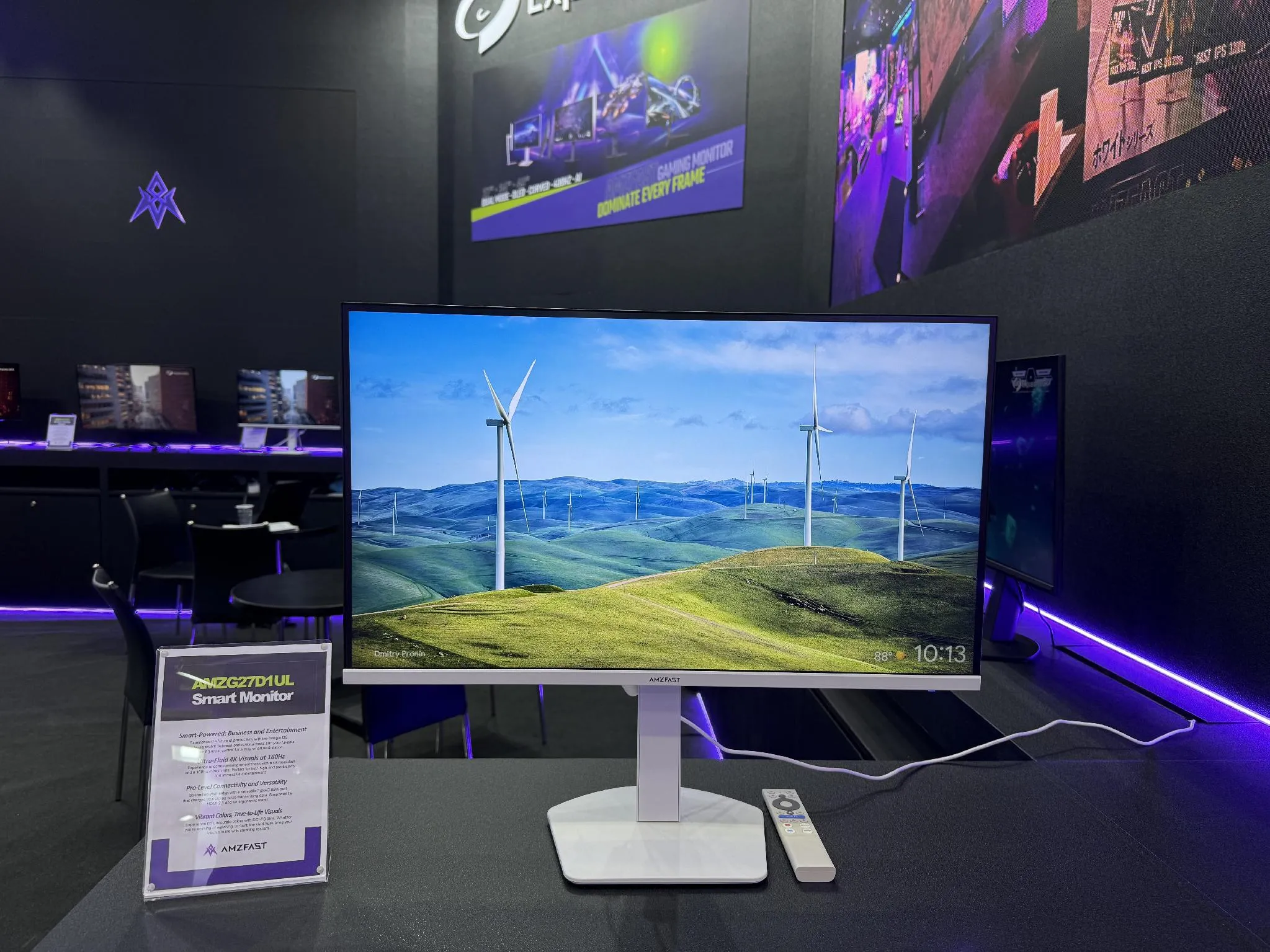
(SeaPRwire) - By: James Vance, a Senior Columnist permanently stationed at a top-tier international tech weekly The real anxiety in the display market isn't about more pixels or higher refresh rates. It's about relevance. When every device is a screen, what's the point of a dedicated monitor? AMZFAST's sprawling Computex 2026 lineup isn't just an expansion. It's a preemptive strike against obsolescence, born from a simple, brutal fear: that the gaming monitor niche is a shrinking island. The official facts are a spec sheet blitz. At Computex 2026 in Taipei, AMZFAST launched a 27-inch 4K 160Hz smart display with Google TV and 65W USB-C charging. They entered OLED with a 280Hz, 0.03ms response time model. For esports, they pushed to 400Hz. For creators, a 34-inch 5K2K ultrawide and a 49-inch super-ultrawide flagship were shown. Regional Marketing Manager Leo NG stated the obvious: users want one display for everything. These products target North America, Europe, and Japan in late 2026. This isn't about innovation. It's about commercial survival. The playbook is clear: use the high-margin, brand-building 400Hz and OLED halo products to fund an invasion of the broader "desk real estate" market. The smart display with built-in apps isn't for hardcore gamers. It's for the living room or bedroom, fighting cheap TVs. The creator displays aren't for artists. They're for anyone on Zoom who wants to look professional. AMZFAST, backed by 29 years of manufacturing, is leveraging its supply chain to flood every category before the giants like Samsung or LG decide to turn their gaze downward. The end-game is a commoditized desk where the monitor isn't a peripheral. It's the computer, the TV, and the light panel, all from one cost-optimized factory. This article is provided by a third-party content provider. SeaPRwire (https://www.seaprwire.com/) makes no warranties or representations regarding its content. Category: Top News, Daily News SeaPRwire provides global press release distribution services for companies and organizations, covering more than 6,500 media outlets, 86,000 editors and journalists, and over 3.5 million end-user desktop and mobile apps. SeaPRwire supports multilingual press release distribution in English, Japanese, German, Korean, French, Russian, Indonesian, Malay, Vietnamese, Chinese, and more.
More

WORK Medical’s Conference Move: Tech and Global Networking in Spotlight

(SeaPRwire) -By: Robert Sterling, Overseas Entrepreneurial Veteran with Decades in Industrial Investment WORK Medical joined the 2026 CBA-China Annual Conference. Held in Wuxi May 8-10, it gathered biopharma pros. As a partner, they met experts from N.A., Europe, APAC. Talks centered on supply chain, AI in life sciences, and AI models in clinical research. Beyond hardware, WORK highlighted AI+Digital Healthcare focus. They aim to partner on tech dev and digital assets. CEO Wu Shuang said the conference links China's biopharma with global science. WORK sees this as part of its global growth. The move could open new collaboration paths. This article is provided by a third-party content provider. SeaPRwire (https://www.seaprwire.com/) makes no warranties or representations regarding its content. Category: Top News, Daily News SeaPRwire provides global press release distribution services for companies and organizations, covering more than 6,500 media outlets, 86,000 editors and journalists, and over 3.5 million end-user desktop and mobile apps. SeaPRwire supports multilingual press release distribution in English, Japanese, German, Korean, French, Russian, Indonesian, Malay, Vietnamese, Chinese, and more.
More
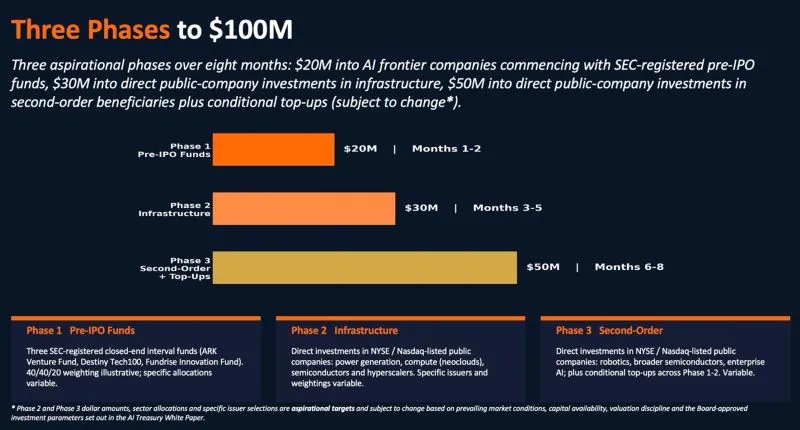
Genius Group’s $800M AGI Bet: Is Its AI Treasury Play a Smart Move or a High-Stakes Gamble? Business

Genius Group’s $800M AGI Bet: Is Its AI Treasury Play a Smart Move or a High-Stakes Gamble?

(SeaPRwire) - By James Vance, Senior Columnist permanently stationed at a top-tier international tech weekly Genius Group’s latest move raises eyebrows: the AI-powered education firm wants to pour $800 million into AGI investments over five years. But here’s the catch—can an edtech player, even one with AI tools, manage a high-stakes portfolio of pre-IPO AI companies without losing focus on its core education business? Industry watchers are split: some see it as a bold play to ride the AGI wave, others worry it’s a distraction from what it does best. On June 5, 2026, Genius Group (NYSE American: GNS) published its AI Treasury White Paper and investor presentation. The plan: deploy up to $800 million into its AGI Infinity Portfolio by 2030, starting with $100 million this year—all while staying under the 40% securities holding limit for public firms. Total assets target: $2 billion by 2030, with 60% from corporate assets and Bitcoin treasury (which stood at $137 million end-2025). Phase1 is already rolling: as of June3, 2026, investors get pre-IPO access to SpaceX, Anthropic, OpenAI via the company’s June2 investments. The firm cites Singapore’s no capital gains tax, dual AI-Bitcoin treasury, and Jewel Bank stake as key advantages. The commercial loop here is clear: Genius leverages its AI education insights to make smarter AGI investments. Those investments, in turn, could provide real-world case studies for its education platform—creating a self-reinforcing cycle. The ultimate end-game? If this works, Genius might set a precedent for edtech companies to merge learning with investment, turning their user bases into both students and indirect investors in the future of AI. But if it fails, it risks alienating both students and shareholders who signed up for education, not high-risk tech bets. This article is provided by a third-party content provider. SeaPRwire (https://www.seaprwire.com/) makes no warranties or representations regarding its content. Category: Top News, Daily News SeaPRwire provides global press release distribution services for companies and organizations, covering more than 6,500 media outlets, 86,000 editors and journalists, and over 3.5 million end-user desktop and mobile apps. SeaPRwire supports multilingual press release distribution in English, Japanese, German, Korean, French, Russian, Indonesian, Malay, Vietnamese, Chinese, and more.
More

The TÜV Stamp: Why a Chinese Energy Storage Startup Just Bought a Global Passport

(SeaPRwire) - By: James Vance The real bottleneck for utility-scale energy storage isn't technology. It's trust. Banks and insurers look at a billion-dollar, decade-long project and see a black box of risk. They need a third-party key to unlock the financing. That's the core anxiety this move addresses. On June 5, 2026, at the SNEC exhibition, Sigenergy announced it secured a TÜV SÜD Bankability Due Diligence Report for its SigenTerra system. The Shanghai-based firm, founded in 2022, framed this as validation of its "AI + Energy Storage" tech and a step toward "seamless project financing worldwide." TÜV SÜD's review covered product design, safety, manufacturing, supply chain, and service. Sigenergy's VP, Lin Tiansan, stated the market needs "verifiable, trustworthy system capabilities" beyond hardware. This isn't just a technical audit. It's a commercial bypass. The report is designed as an objective reference for financiers and insurers, bridging information gaps to accelerate deals. For a young company like Sigenergy, it's a forced shortcut to credibility in Europe and North America, where local due diligence is costly and slow. They're not just selling a battery; they're selling a de-risked asset. The end-game is a reshuffled global supply chain. Established players must now compete not just on specs, but on pre-packaged bankability. The winners will be those who can turn complex engineering into a simple, financeable commodity. Sigenergy's TÜV stamp is a direct bid to become that commodity. Author bio: James Vance, a Senior Columnist permanently stationed at a top-tier international tech weekly, specializing in the intersection of energy infrastructure, finance, and global market strategy.
More

Sigenergy’s TÜV Stamp: Unlocking Utility-Scale Energy Potential

(SeaPRwire) - By: James Vance, Senior Columnist at Top International Tech Weekly Shanghai, June 05, 2026 – Sigenergy’s SigenTerra utility-scale storage system snagged a TÜV SÜD Bankability Report. Utility-scale projects face long cycles and complex needs. TÜV SÜD checked SigenTerra’s design, safety, manufacturing, supply chain, and service. This report helps clients and investors. Lin Tiansan of Sigenergy notes trust and safety matter. Sigenergy aims for net-zero with AI in energy. The report bridges info gaps, speeding up projects. Now, Sigenergy partners with TÜV for zero-carbon push. This article is provided by a third-party content provider. SeaPRwire (https://www.seaprwire.com/) makes no warranties or representations regarding its content. Category: Top News, Daily News SeaPRwire provides global press release distribution services for companies and organizations, covering more than 6,500 media outlets, 86,000 editors and journalists, and over 3.5 million end-user desktop and mobile apps. SeaPRwire supports multilingual press release distribution in English, Japanese, German, Korean, French, Russian, Indonesian, Malay, Vietnamese, Chinese, and more.
More

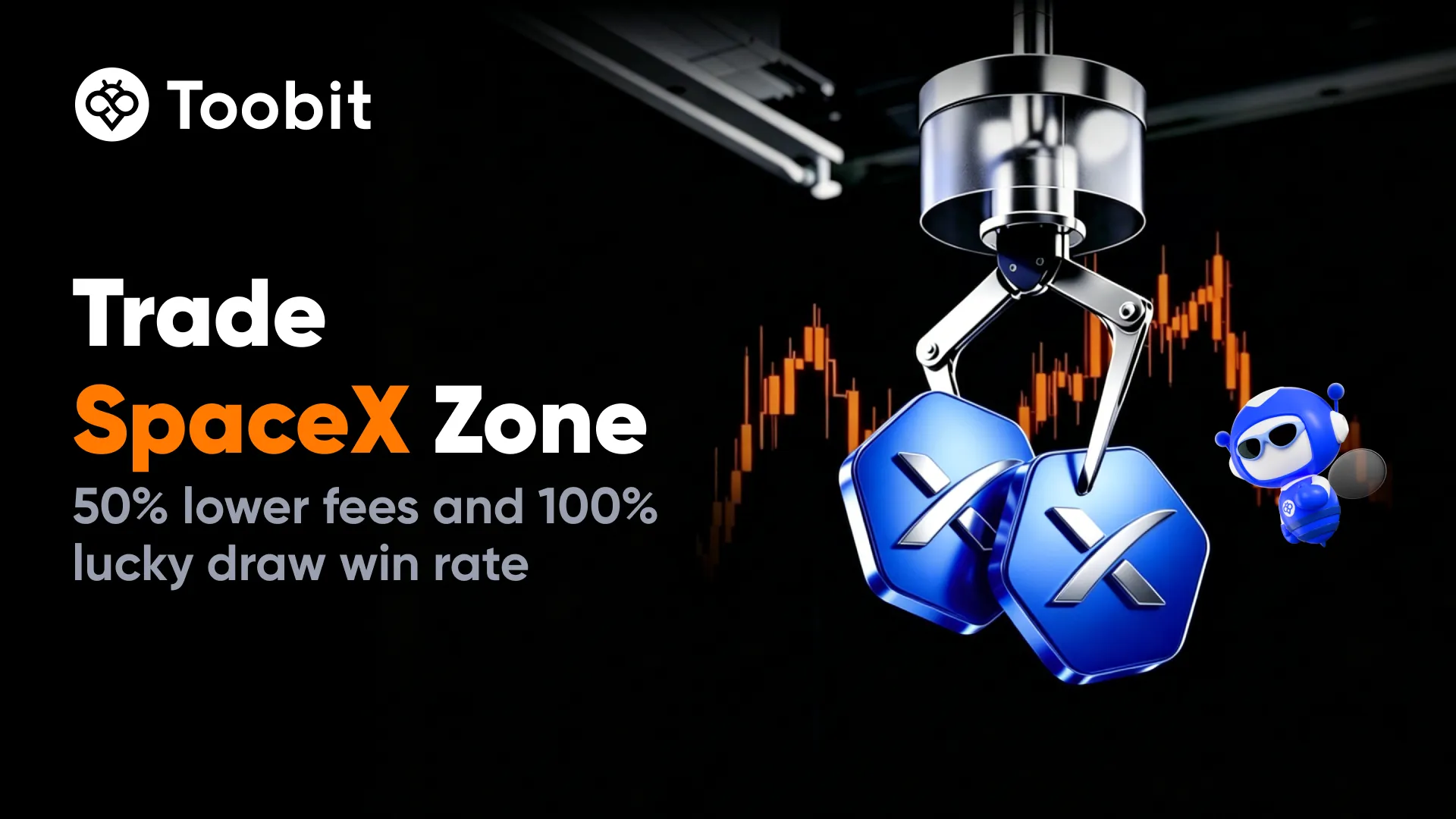
Toobit’s $200K SpaceX Zone Campaign: Crypto Exchanges’ Next Big Play for Space Tech Trading Business

Toobit’s $200K SpaceX Zone Campaign: Crypto Exchanges’ Next Big Play for Space Tech Trading

By: TechVanguard, a tech opinion leader with millions of followers on X/Twitter Toobit’s latest trading campaign isn’t just another generic promo push. It’s a clear signal that crypto exchanges are finally shifting focus beyond volatile meme coins and altcoins. The new SpaceX Zone hub ties traditional space technology, semiconductor, and satellite communication assets to DeFi and crypto trading. For years, these two markets have been seen as entirely separate. Now, Toobit is working to connect retail and institutional traders to both sides of the space and crypto sectors. The campaign runs from June 5 to July 3, 2026. It offers a total 200,000 USDT reward pool for participating traders. There are four distinct activities tied to the promotion. The first gives 5 USDT trial funds to anyone who registers by June 12. The second offers 50% off US stock perpetuals in the SpaceX Zone, including TSLA, RKLB, and PLTR. Traders here can also earn daily volume rewards and lucky draw entries for tokens, vouchers, and VIP passes. The third activity lets traders earn 2 to 10 USDT in $SPCX tokens by trading on Toobit DEX+. Those who trade $SPCX pairs get priority eligibility for the rewards. The fourth activity lets users compete for a 35,000 USDT prize pool based on trading volume on DEX+. $SPCX pairs count for double the volume multiplier. All participants need to register on the official campaign page to qualify. Detailed rules are on Toobit’s announcement page. The global space economy is on track to hit a $1 trillion valuation by 2035. Satellite connectivity deployment is seeing a 22% year-over-year surge right now. Private aerospace firms carry a 15% valuation premium over traditional peers. In 2026, commercial aerospace activity has intensified sharply. Traders are moving capital away from speculative consumer assets and into infrastructure-heavy tech sectors like space. Institutional and retail interest in satellite and defense-adjacent equities has spiked this fiscal year. Toobit’s campaign is directly tapping into this growing investor demand. The exchange is bridging traditional equity markets and decentralized finance through its SpaceX Zone hub. This move lets traders access space-related assets without switching between multiple platforms. It’s a smart play to capture a slice of the fast-growing space tech investment market. Other major crypto exchanges will quickly launch competing space asset trading campaigns. Disclaimer: This sponsored content is provided by the content provider and does not necessarily reflect the views of this media platform or its publisher. The information is shared for general informational purposes only and should not be considered financial, investment, or trading advice. Cryptocurrency and mining-related activities carry risks, including the potential loss of capital, and readers are encouraged to conduct their own research and seek professional advice where appropriate. Speculate only with funds that you can afford to lose. The media platform and publisher assume no responsibility for any losses or claims arising from reliance on this content. GlobeNewswire does not endorse any content on this page. (SeaPRwire) - Legal Disclaimer: This article is provided on an “as-is” basis, without warranties or representations of any kind, express or implied. The media platform assumes no responsibility or liability for the accuracy, content, completeness, legality, or reliability of the information presented. Any complaints, claims, or copyright concerns related to this article should be directed to the content provider mentioned above. This article is provided by a third-party content provider. SeaPRwire (https://www.seaprwire.com/) makes no warranties or representations regarding its content. Category: Top News, Daily News SeaPRwire provides global press release distribution services for companies and organizations, covering more than 6,500 media outlets, 86,000 editors and journalists, and over 3.5 million end-user desktop and mobile apps. SeaPRwire supports multilingual press release distribution in English, Japanese, German, Korean, French, Russian, Indonesian, Malay, Vietnamese, Chinese, and more.
More

BOSS Zhipin’s 1.67B Yuan Share Buys: Unpacking Corporate Confidence

(SeaPRwire) -By: Christian Brooks, Prominent Financial and Business Lead Commentator BOSS Zhipin is ramping up share buys. On June 4, 2026, they used over RMB40.6 million to repurchase 840,198 shares. Year-to-date, total repurchases hit over RMB1.67 billion. Board amended the repurchase plan on March 18, 2026. Now, they can buy up to US$400 million shares by Aug 28, 2027. Company also says it'll allocate at least 50% of adjusted net income for dividends and repurchases. Adjusts plans based on financials, market. This shows BOSS Zhipin's faith in future growth. This article is provided by a third-party content provider. SeaPRwire (https://www.seaprwire.com/) makes no warranties or representations regarding its content. Category: Top News, Daily News SeaPRwire provides global press release distribution services for companies and organizations, covering more than 6,500 media outlets, 86,000 editors and journalists, and over 3.5 million end-user desktop and mobile apps. SeaPRwire supports multilingual press release distribution in English, Japanese, German, Korean, French, Russian, Indonesian, Malay, Vietnamese, Chinese, and more.
More
JD.com’s AGM: A Rare Open Mic in a Season of Corporate Silence

(SeaPRwire) -By: Robert Sterling, an overseas entrepreneurial veteran with decades of experience in real-economy industrial investment and expansion Most annual meetings are choreographed theater where management reads scripts and shareholders rubber-stamp pre-ordained agendas. JD.com is breaking this mold on June 29, 2026, by hosting an open forum in Beijing without a single proposal on the table for a vote. This is a curious tactical choice for a supply chain giant. It signals a shift from formal compliance toward a deliberate, if controlled, attempt at direct engagement with its investor base. The official announcement confirms the meeting will take place at Building A, No. 18 Kechuang 11 Street, in the Yizhuang Economic and Technological Development Zone. Shareholders of record as of June 4, 2026, are invited to attend. The company has already filed its 20-F for the fiscal year ending December 31, 2025, with the SEC. By decoupling the AGM from the typical voting cycle, JD.com is essentially inviting a conversation about its long-term retail infrastructure and its Retail as a Service strategy rather than seeking immediate administrative validation. This move suggests the company is prioritizing sentiment management over procedural box-ticking. By opening the floor to discuss company affairs, management is likely attempting to address the inherent risks outlined in their own forward-looking statements, such as data privacy scrutiny and shifting regulatory landscapes in China. They are betting that transparency—or the appearance of it—will stabilize investor confidence more effectively than a standard, sterile shareholder vote. It is a high-stakes gamble on the value of direct communication in an era of market volatility. Ultimately, this meeting will not change the company’s balance sheet, but it will reveal how much pressure management feels to justify its current trajectory. If the session remains a polite exchange, it confirms the company’s tight grip on its narrative. If the dialogue turns sharp, it exposes the growing friction between the firm’s massive supply chain ambitions and the cold reality of its current market valuation. Expect the real story to be found in the questions they choose to answer, not the ones they ignore. This article is provided by a third-party content provider. SeaPRwire (https://www.seaprwire.com/) makes no warranties or representations regarding its content. Category: Top News, Daily News SeaPRwire provides global press release distribution services for companies and organizations, covering more than 6,500 media outlets, 86,000 editors and journalists, and over 3.5 million end-user desktop and mobile apps. SeaPRwire supports multilingual press release distribution in English, Japanese, German, Korean, French, Russian, Indonesian, Malay, Vietnamese, Chinese, and more.
More
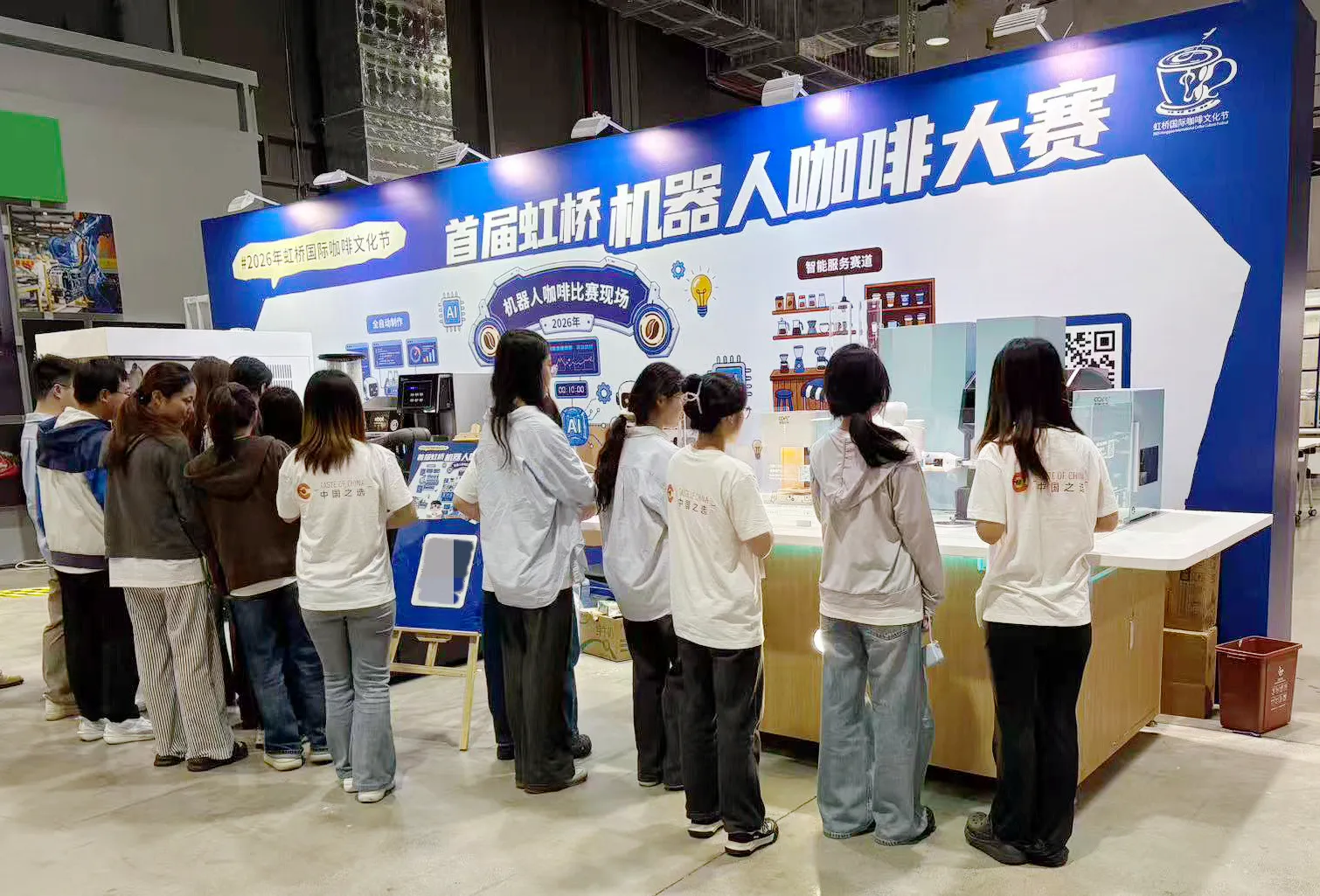
This Robot Barista Beat a Pro Human Barista. Here’s Why It’s About to Rewrite the Global Coffee Shop Playbook Business

This Robot Barista Beat a Pro Human Barista. Here’s Why It’s About to Rewrite the Global Coffee Shop Playbook

(SeaPRwire) -By: James Vance, a Senior Columnist permanently stationed at a top-tier international tech weekly Last week in Shanghai, a robot barista beat a veteran pro barista. This isn’t just a single competition win. It’s a direct challenge to the global coffee shop industry’s core selling point: handcrafted quality. The head-to-head was part of the Hongqiao Robot Coffee Competition, held June 5 at Shanghai’s 5.5 Shopping Festival. COFE+, the seventh-gen robot from Shanghai Hi-Dolphin, faced off against a barista who judges TOC, or Top of Coffee, events. Both made three Americanos under referee supervision. Judges tracked total time, per-cup time and weight deviation. COFE+ finished in 2 minutes 43 seconds total, averaging 54 seconds per cup. Its weight deviation was ±0.8 grams, or 0.3% of the target. The human barista took 3 minutes 35 seconds, averaging 72 seconds per cup, with a 1% deviation. One judge noted the robot’s amazing consistency. They said it challenges the assumption that handcrafted coffee is inherently superior. Hi-Dolphin founder Dr. Han Feizi said the company’s goal is to cut cafe operators’ financial risk and make high-quality coffee more accessible to consumers. COFE+ can make over 300 beverage types across eight categories. That includes fresh coffee, milk tea and plant-based drinks. It holds recipes from 197 countries, with 5,000+ customization options. Those include strength, sweetness and latte art. The robot has over 120 international patents. It also has FDA, CE, UKCA and safety certifications from Japan and South Korea. Hi-Dolphin says COFE+ kiosks cost 90% less to run than traditional cafes. One worker can monitor 10 units at once. Daily restocking takes just 15 minutes per machine. The projected payback period is 4 to 8 months in high-traffic spots. With global certifications already in place, the robot can roll out to nearly 70 countries quickly. For small cafe owners, this isn’t just competition. It’s a clear choice: adapt or get left behind. This article is provided by a third-party content provider. SeaPRwire (https://www.seaprwire.com/) makes no warranties or representations regarding its content. Category: Top News, Daily News SeaPRwire provides global press release distribution services for companies and organizations, covering more than 6,500 media outlets, 86,000 editors and journalists, and over 3.5 million end-user desktop and mobile apps. SeaPRwire supports multilingual press release distribution in English, Japanese, German, Korean, French, Russian, Indonesian, Malay, Vietnamese, Chinese, and more.
More
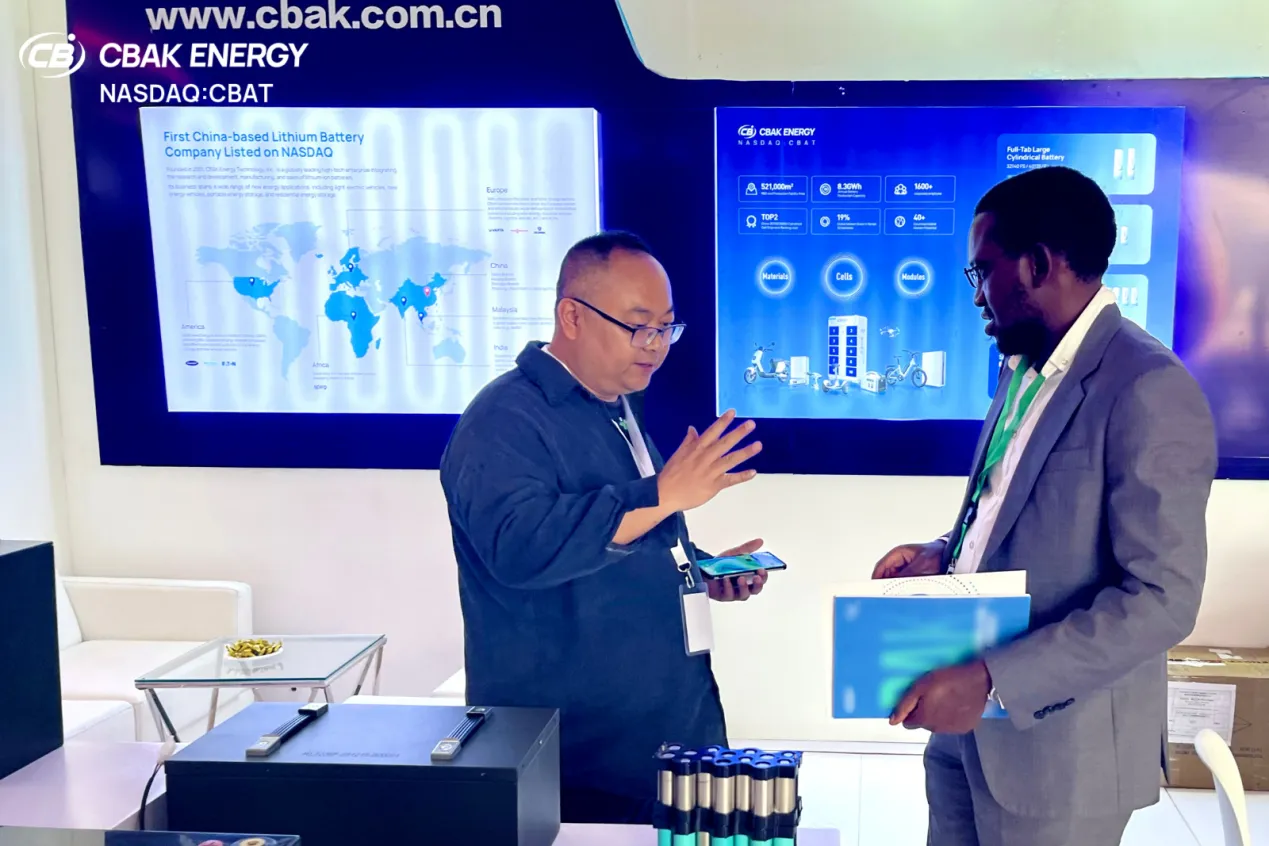
The 1.3mΩ Reality Check: Why Cylindrical LFP, Not Luxury Tech, Will Win Africa’s E-Mobility War Business

The 1.3mΩ Reality Check: Why Cylindrical LFP, Not Luxury Tech, Will Win Africa’s E-Mobility War

(SeaPRwire) - By: James Vance, Senior Columnist, International Tech WeeklyWestern EV makers obsess over solid-state breakthroughs and luxury sedans. Meanwhile, Africa's real-world e-mobility transition is stalling on the dirt roads of Nairobi. Over two million "boda-boda" motorcycle riders in Kenya need cheap, indestructible power today. They cannot wait for laboratory miracles. Standard ternary lithium batteries fail under intense tropical heat and heavy payloads. Frequent battery swapping destroys fragile cell connections. Fleet operators face a brutal choice. They must either bleed cash on frequent battery replacements or stick to dirty, expensive fossil fuels. The industry is anxious because high-tech promises do not survive low-infrastructure realities.At the 27th Autoexpo Kenya 2026, CBAK Energy presented a practical way out of this deadlock. The NASDAQ-listed manufacturer showcased its cylindrical LFP portfolio, led by the 32140 FS full-tab cell. This specific cell features an ultra-low internal resistance of 1.3mΩ. It supports 2C fast charging and 3C continuous discharging. These specs directly address the constant start-stop demands of commercial cargo delivery. The company also displayed its 40135 cells, sodium-ion solutions, and the 26 series. As of May 2026, CBAK has sold over 77 million of these 32140 units globally. With an active production capacity of 8.3 GWh, expandable to 38 GWh, the supply chain is ready to scale.The commercial math here is simple but powerful. By using nano-LFP chemistry and rigid steel shells, these cells survive rough roads and high-frequency swapping. This durability lowers the total cost of ownership for local riders. It makes battery-swapping networks financially viable without government subsidies. The ultimate end-game for emerging markets will not belong to fragile, high-energy-density pouch cells. It belongs to rugged, standardized cylindrical LFP formats that treat batteries as heavy-duty hardware. To win the global south, battery manufacturers must stop chasing theoretical range. They must start building for the daily abuse of the boda-boda economy. This article is provided by a third-party content provider. SeaPRwire (https://www.seaprwire.com/) makes no warranties or representations regarding its content. Category: Top News, Daily News SeaPRwire provides global press release distribution services for companies and organizations, covering more than 6,500 media outlets, 86,000 editors and journalists, and over 3.5 million end-user desktop and mobile apps. SeaPRwire supports multilingual press release distribution in English, Japanese, German, Korean, French, Russian, Indonesian, Malay, Vietnamese, Chinese, and more.
More
Fangzhou and Tencent Health: Revolutionizing Chronic Disease Management with AI Business

Fangzhou and Tencent Health: Revolutionizing Chronic Disease Management with AI

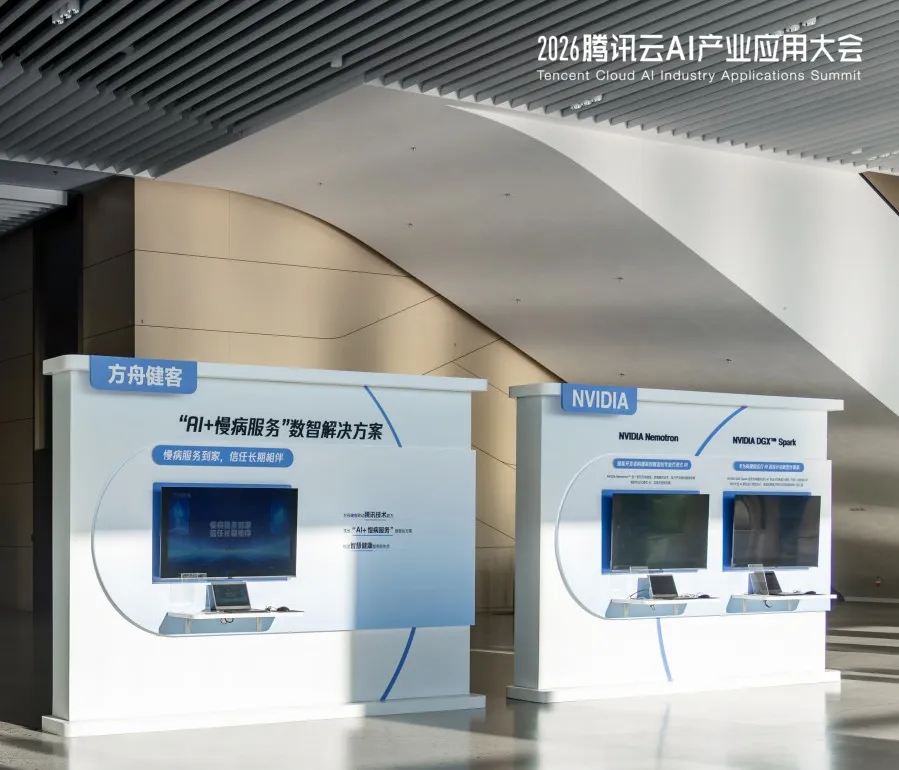
(SeaPRwire) - By: Logan Pierce, Independent Business Writer Fangzhou Inc., a leading provider of AI-driven Internet healthcare solutions, recently showcased its “AI + Chronic Disease Services” digital solution at the 2026 Tencent Cloud AI Industry Applications Summit in Beijing. The solution, developed in collaboration with Tencent Health, aims to transform chronic disease management by integrating AI into the “AI + H2H (Hospital-to-Home)” smart healthcare ecosystem. Fangzhou’s AI + Chronic Disease Services solution is built on its proprietary XingShi Large Language Model (XS LLM) and is designed to enhance care delivery, improve patient outcomes, and expand access to professional healthcare services. The solution focuses on supporting both patients and physicians across the chronic disease management journey, providing personalized health management recommendations, risk monitoring, and behavioral interventions for patients, and reducing administrative workloads and streamlining routine tasks for physicians. The summit also highlighted the ongoing collaboration between Fangzhou and Tencent Health. Since expanding their strategic partnership in November 2025, the two companies have worked together to combine Fangzhou’s healthcare expertise and chronic disease management capabilities with Tencent Health’s technology infrastructure, supporting the development and deployment of AI applications across a broad range of healthcare use cases. Tencent Health’s technology platform provides Fangzhou with access to scalable computing resources and end-to-end model development tools that support the continuous optimization of its AI capabilities. The solution also utilizes Tencent Health’s vector database technology, enabling rapid retrieval from large-scale medical knowledge repositories and improving the accuracy and reliability of AI-generated content. Fangzhou will continue to prioritize technological innovation and ecosystem collaboration as key pillars of its long-term growth strategy. By working closely with Tencent Health and other industry partners, the company aims to further expand the reach of AI-powered chronic disease services, helping deliver more efficient, personalized, and accessible healthcare support to patients while contributing to the digital transformation of China’s healthcare sector. Fangzhou Inc. (HKEX: 06086) is China’s leading online chronic disease management platform, serving 56.4 million registered users and 251,000 physicians as of December 31, 2025. The company specializes in delivering tailored medical care and AI-enabled precision medicine solutions. For more information, visit https://investors.jianke.com. This article is provided by a third-party content provider. SeaPRwire (https://www.seaprwire.com/) makes no warranties or representations regarding its content. Category: Top News, Daily News SeaPRwire provides global press release distribution services for companies and organizations, covering more than 6,500 media outlets, 86,000 editors and journalists, and over 3.5 million end-user desktop and mobile apps. SeaPRwire supports multilingual press release distribution in English, Japanese, German, Korean, French, Russian, Indonesian, Malay, Vietnamese, Chinese, and more.
More
Moomoo Teams Up With Kalshi: Why Retail Investors Are About to Bet on Everything From Fed Hikes to the World Cup Business

Moomoo Teams Up With Kalshi: Why Retail Investors Are About to Bet on Everything From Fed Hikes to the World Cup

(SeaPRwire) - Retail investors have more trading tools than ever before. They can buy stocks, ETFs, and even crypto with a few taps. But many still can’t directly bet on the events that shift markets. Fed rate calls, election results, or World Cup outcomes remain out of reach for most. This gap has created a hungry demand for regulated, accessible ways to turn news opinions into trades. On June 4, 2026, moomoo Financial Inc. announced a partnership with Kalshi. Moomoo is a global platform trusted by 30 million users. It won TradingView’s #1 Broker for Stocks in North America in 2024 and 2025. Kalshi, founded in 2018, is the world’s largest regulated prediction market. Eligible moomoo users can now trade event contracts via a CFTC-regulated exchange. These contracts tie to real-world outcomes: Fed decisions, inflation data, elections, and the 2026 World Cup. Prices range from $0.01 to $1.00, reflecting market-implied probabilities. Contracts are fully collateralized and integrated alongside moomoo’s existing products. Moomoo also recently launched direct crypto transfers and API Skills for agentic investing. This deal is a strategic play for both platforms. Moomoo gives users a reason to stay instead of seeking niche prediction markets. Kalshi gains access to 30 million retail investors, boosting liquidity critical for its market. Over the next two years, expect more major brokers to add similar event contract offerings. Retail trading will increasingly blur lines between traditional assets and event-driven bets. Just remember: event trading isn’t for everyone, and some contracts are blocked in select U.S. states. This article is provided by a third-party content provider. SeaPRwire (https://www.seaprwire.com/) makes no warranties or representations regarding its content. Category: Top News, Daily News SeaPRwire provides global press release distribution services for companies and organizations, covering more than 6,500 media outlets, 86,000 editors and journalists, and over 3.5 million end-user desktop and mobile apps. SeaPRwire supports multilingual press release distribution in English, Japanese, German, Korean, French, Russian, Indonesian, Malay, Vietnamese, Chinese, and more.
More