The Ceasefire That Never Was: Inside the Diplomatic Collapse of the Middle East

(SeaPRwire) -By: Gavin Thorne The notion of a "fragile ceasefire" holding since early April was always a diplomatic fantasy. Israel struck Beirut’s southern suburbs without warning on Sunday. Tehran retaliated with missiles immediately. This isn't just a breakdown; it is a calculated unraveling of order. Washington explicitly asked for a stand-down days ago. Jerusalem ignored the request completely. The mediation efforts are dead on arrival. Everyone in the region knows it. The war machine is hungry again, and no amount of shuttle diplomacy can feed it. Israel’s attack on a residential building killed two people and wounded twenty. Iran’s state broadcaster confirmed the missile launches shortly after. Sirens blared across several areas in northern Israel. Multiple explosions followed. The Israeli military claimed they intercepted the missiles. People left shelters but stayed close by. The Revolutionary Guard threatened broader responses against American and Zionist targets. They cited attacks on Iran’s coast and vessels. The cycle of violence is accelerating faster than diplomats can travel. Trump is visibly frustrated. He told Fox News he is "not happy" about Israel’s uncoordinated strikes. He wants Iranians at the negotiating table. He prefers "surgical attacks" on Hezbollah. Meanwhile, U.S. Central Command posted on X about being "vigilant and ready." The disconnect between the White House’s public desire for calm and the Pentagon’s posture is stark. Netanyahu faces elections later this year. He has zero incentive to stop pressing the offensive until Hezbollah is neutralized. Regional players are scrambling to contain the spillage. Pakistan’s interior minister, Mohsin Naqvi, rushed to Tehran. He delivered a message from army chief Asim Munir to Supreme Leader Khamenei. In Cairo, Foreign Minister Bader Abdelatty and Qatar’s Sheikh Mohammed discussed "proposed elements." They are trying to bridge Washington and Tehran. It is a desperate attempt to glue a shattered vase back together while the pieces are still falling. Khamenei has not been seen publicly since his father's death. The economic levers are pulling tight. Iran grips the Strait of Hormuz. The U.S. blockades Iranian ports. Oil, gas, and fertilizer shipments are stalled. The global economy feels the pain. Iraq closed its airspace for seventy-two hours. Syria followed suit for twelve hours. Hezbollah rejected the ceasefire deal. They demand Lebanon be part of any Iran-U.S. agreement. The logistics of war are choking the region, forcing a painful choice between security and solvency. Diplomacy has become nothing more than the interval between artillery barrages. Author bio: Gavin Thorne, an insider political investigative journalist based in Washington, D.C.
More
SpaceX’s $1.75T IPO Isn’t Just a Milestone — It’s About to Wipe Out Billions in Value From Your Existing Tech Holdings

(SeaPRwire) - By: James Vance The upcoming SpaceX IPO isn’t just the biggest public listing in U.S. history. It’s a ticking time bomb for broader market valuations most retail investors haven’t noticed yet. Investors are already dumping other holdings to free up cash for SPCX shares, and sell-off pressure will only ramp up as listing day nears. Last Friday’s chip stock bloodbath was just the first warning sign of far larger price dislocations on the way. SpaceX will price its IPO Thursday evening, and trade Friday on Nasdaq under the ticker SPCX. It plans to raise at least $75 billion by selling 555 million shares at $135 each, valuing the firm at more than $1.75 trillion. If underwriters exercise extra allotment options to meet demand, total proceeds could hit $85.7 billion. BNP Paribas’ head of U.S. equity derivative strategy Greg Boutle noted same-direction buying flows will amplify liquidity pressure and price dislocation risks. He estimates retail and passive investors will sell $50 billion of other stocks to fund SPCX purchases. That figure will climb if the IPO performs well, and cascading sell-offs will follow as leveraged ETFs and trading advisors rebalance. The IPO lands at the end of Q2, when $100 billion in unrelated pre-planned stock sales are already scheduled. Nasdaq 100 rules were tweaked to speed up SpaceX’s inclusion, triggering forced buying from linked passive funds, while S&P chose not to adjust its rules for faster listing. This is just the first wave of market disruption from high-demand tech IPOs. OpenAI and Anthropic will go public later this year, and Alphabet already sold $85 billion in secondary shares last week. DeVere Group chief investment officer Nigel Green noted investors have long bought proxy assets for access to unlisted high-growth firms, but that scarcity value fades once core assets list. Holders of second-tier AI and adjacent tech stocks should trim positions now before further broad sell-offs hit. Author bio: James Vance, senior tech capital markets columnist at a top global tech weekly, with 12 years covering Silicon Valley public listings and market trends.
More
The Fed Chair’s Impossible Choice: Trump’s Public Tantrum vs. Market Reality Hot News

The Fed Chair’s Impossible Choice: Trump’s Public Tantrum vs. Market Reality

(SeaPRwire) - By: Gavin Thorne The White House is already tightening the screws on the Federal Reserve before the new chair even takes the gavel. Trump isn't just offering advice; he is publicly demanding a specific monetary outcome to serve his own political narrative. This isn't about sound economics. It is a raw power play designed to tether central bank policy directly to the administration’s approval ratings. The message to Warsh is clear: keep rates low or face the wrath of a president who believes growth should never be "penalized." In an interview with NBC’s Meet the Press recorded Friday, Trump argued that raising rates is wrong despite a blowout May jobs report. He insisted the country should not be penalized for success. This pressure hits just days before Kevin Warsh chairs his first Federal Open Market Committee meeting on June 16–17. Data showed nonfarm payrolls increased 172,000 while unemployment held steady at 4.3%. This sparked a Treasury selloff. Traders are now fully pricing in a quarter-point rate hike by year-end. Goldman Sachs economists scrapped their forecast for a December 2026 rate cut, shifting expectations to two cuts in 2027. Trump, who previously campaigned for rate cuts, claimed he wants Warsh to do his "own thing" while demanding lower rates to fund military expansion. His approval ratings are suffering from concerns over the Iran war and high gasoline prices. He argues that jobs and growth can naturally control inflation without rate hikes, stating success can kill inflation just as well as tight money. Warsh is walking into a trap where economic data clashes directly with presidential ego. The market sees inflation running above target and demands a response, but the White House sees cheap borrowing costs as essential for funding a military buildup. If Warsh blinks and follows Trump’s lead, he risks shattering the Fed's inflation-fighting credibility. If he holds the line, he invites a public war with the man who nominated him. The "own thing" rhetoric is a thin veil for expected obedience. Bond traders are already recalibrating their wagers, betting that the Fed under Warsh will eventually have to act on inflation despite the noise. The administration’s theory that "success can kill inflation" is a convenient political talking point but ignores the sticky reality of supply-side pressures. Interest groups watching this unfold know that a politicized Fed usually leads to runaway inflation later. The pressure is mounting on the rookie chair to ignore the political heat and focus on the data. Warsh will likely choose his institutional legacy over Trump’s temporary approval and authorize a hike before the year ends. Author bio: Gavin Thorne, an insider political investigative journalist based in Washington, D.C.
More

Trump’s ‘Military Exercise’ Lie For Iran War Collapses When You Look At What’s Actually Happening In Hormuz

(SeaPRwire) -By: Alistair Kroon Donald Trump’s latest attempt to rebrand the ongoing Iran conflict is as cynical as it is transparent. He sat for an NBC Meet the Press interview recently, and danced around every direct question about U.S. military action in the Persian Gulf. No amount of rhetorical gymnastics can erase the 13 U.S. service members and thousands of Iranians killed in 100 days of fighting. His official line is deliberate downplay. He calls the conflict a “military exercise”, claims Iran’s forces are “largely decapitated”, and says it is “not a big war” for the U.S. He also denies promising no new wars during his 2024 campaign, directly contradicting his victory speech pledge to stop wars and avoid foreign conflicts for U.S. troops. The administration even argues the War Powers Act does not apply, citing a two-month fragile ceasefire. The reality on the ground tells a very different story. The Strait of Hormuz remains mostly closed, with a U.S. naval blockade in place that counts as an act of war. Fighting is heating up, with Iran launching drones and missiles at regional allies and commercial ships. The U.S. responds with strikes on Iranian sites, boats, and vessels trying to breach the blockade. Peace talks for a permanent deal have stalled completely, and U.S. munitions stockpiles are running low from sustained high operational tempo. The USS Gerald Ford just completed the longest carrier deployment since the Vietnam War. The House voted 215-208 this week to rein in Trump’s war powers, with four Republicans joining Democrats. Public opinion is turning sharply against the undeclared conflict, as voters recall his 2024 campaign pledges to avoid sending troops to endless foreign wars. The geopolitical pendulum is swinging away from unchecked executive authority to wage war without congressional approval. Author bio: Alistair Kroon, a veteran geopolitical commentator who publishes regular editorials in major U.S. and European mainstream newspapers.
More

AI Stock Bonanza: Will the Market Swallow the Flood?

(SeaPRwire) -By: James Vance The influx of new AI - related shares has Wall Street on edge. There are concerns about whether enough buyers exist and how this will impact stock prices. SpaceX, Anthropic, and OpenAI's IPOs could add nearly $4 trillion to US exchanges. SpaceX's deal is over - subscribed. Alphabet plans to raise $85 billion. Meanwhile, AI investments are booming, but the Nasdaq 100 dropped 4.8% on Friday. Some believe there's enough capital to absorb the new shares, yet the market is fragile. As these companies fully enter the market, they'll reshape it. Index rule changes will speed their entry, creating demand but also pressuring existing stocks. Once direct investment in AI startups is possible, investors may sell proxy stocks. Chipmakers and Tesla could be hit. High - priced, money - losing companies also pose risks. The next 12 months will be crucial for these IPOs. Author bio: James Vance, a Senior Columnist at a top - tier international tech weekly, offering deep tech insights.
More
Drones, Dollars, and Midterms: The Hidden Math of the US-Iran Stalemate Hot News

Drones, Dollars, and Midterms: The Hidden Math of the US-Iran Stalemate

(SeaPRwire) - By: Alistair KroonOne hundred days of war have yielded nothing but a hollow truce. Washington and Tehran remain locked in a dangerous stalemate. The April 8 ceasefire is practically dead. Recent drone strikes and missile launches prove this daily. Both sides claim they want peace. Yet, their actions on the water tell a different story. We are witnessing a calculated war of attrition. The global energy market is the primary hostage. Trump downplays the crisis. But the reality is far more volatile than Washington admits. The illusion of control is fading fast.The White House claims immense progress. Trump boasts that Iran is near its breaking point. He notes only 21% to 22% of Tehran's missile arsenal remains. This is the official narrative. The geopolitical reality is far more stubborn. Iran still wields significant disruptive power. Just look at the Strait of Hormuz. Centcom recently downed two Iranian drones there. On Friday, forces intercepted six ballistic missiles targeting Bahrain and Kuwait. The US retaliated by striking radar sites in Goruk and Qeshm Island. Tehran is not defeated. It is simply rationing its remaining leverage.Diplomats talk of asset freezes and mediation. Washington wants to divert frozen Iranian billions to rebuild damaged Gulf allies. Pakistan's interior minister recently delivered a letter from his premier to Tehran. This looks like active diplomacy. In truth, it is a leverage game. Iran demands its frozen cash back before talking. It also demands a ceasefire in Lebanon. Hezbollah recently rejected a US-brokered truce. Meanwhile, the Strait of Hormuz remains effectively closed. Oil prices hover above $90 a barrel. Trump shrugs off $96 Brent crude. But rising fuel costs threaten his party in the upcoming midterms.The geopolitical pendulum is swinging back toward escalation. Tehran knows Trump cannot afford a prolonged energy crisis before the midterms. By tying a Gulf truce to Lebanon, Iran has expanded the chessboard. The US military can shoot down drones indefinitely. But it cannot shoot down inflation. Trump claims victory is near. The markets know better. The conflict is no longer about disarming Iran. It is about who blinks first under economic pressure.Author bio: Alistair Kroon, a veteran geopolitical analyst and columnist specializing in Middle Eastern security and global energy policy. His commentary regularly appears in leading international newspapers.
More
Banks’ AI Push: Job Cuts Are Just the Tip—Here’s Who Survives (And Who Doesn’t) Hot News

Banks’ AI Push: Job Cuts Are Just the Tip—Here’s Who Survives (And Who Doesn’t)

(SeaPRwire) - By: Christian Brooks Andre Bonnick spends hours rehearsing for finance job interviews. He’s not talking to a human. He’s prepping for AI-powered screening rounds. Even if he gets in, he wonders if the job will exist in a few years. Bank execs are clear: AI will cut jobs. JPMorgan’s Dimon said it will eliminate roles. Citi’s Fraser noted some jobs won’t be needed. Goldman’s Waldron called employees a “human assembly line” ripe for automation. Banks are cutting junior analyst classes by up to two-thirds. Yet 62% of their AI talent comes from those same cohorts, per McKinsey’s QuantumBlack. Citi is rolling out an AI wealth avatar. Barclays uses AI to summarize 8 million customer calls since October. Revolut’s AIR assistant breaks down spending. But there are risks: laying off female-dominated admin staff could lead to discrimination claims, says lawyer David Parsons. Dimon also noted some firms use AI to cover up bad hiring decisions. Banking is an apprenticeship business. Today’s juniors become tomorrow’s managing directors, per Patnaik. Senior judgment can’t be bought laterally. So banks won’t eliminate grads entirely. But entry-level roles will shrink. The industry will shift: AI handles routine tasks. Humans keep roles needing judgment. Breaking into finance will get harder—especially for those without AI skills. Author bio: Christian Brooks, a prominent financial commentator covering global banking trends and tech’s impact on workforce dynamics.
More
Gulf Allies Eye Looted Iranian Funds as Trump Plays Hardball Hot News

Gulf Allies Eye Looted Iranian Funds as Trump Plays Hardball

(SeaPRwire) - By: Alex Mercer, a Tech Director or Geek Analyst at a major Silicon Valley firm The US is redirecting frozen Iranian assets toward Gulf allies to fix damage Tehran caused. This move pressures ongoing talks. Negotiations stall over Tehran demanding release of $24 billion. The Treasury will use tools to allow asset use for rebuilding. Officials are already calculating repair costs for damage since Feb. 28. Saudi Arabia, UAE, Kuwait, and Bahrain suffered losses. Tehran and its proxies targeted oil infrastructure. The Treasury may fund reimbursement for past destruction. Trump notes allies’ alienation and opposes Obama’s transfer precedent. No money will change hands directly. This shifts asset strategy without breaking negotiation deadlock. Supply chain stability hinges on calibrated pressure. Regional security ties realign as leverage points multiply. Market players brace for contingent claims on frozen reserves. Execution will test diplomatic elasticity. Author bio: Alex Mercer, a Tech Director or Geek Analyst at a major Silicon Valley firm, cuts through policy noise to expose infrastructure fault lines.
More
The $4 Gas Illusion: Why Your “Resilient” Customer Is Quietly Starving the Retail Engine Hot News

The $4 Gas Illusion: Why Your “Resilient” Customer Is Quietly Starving the Retail Engine

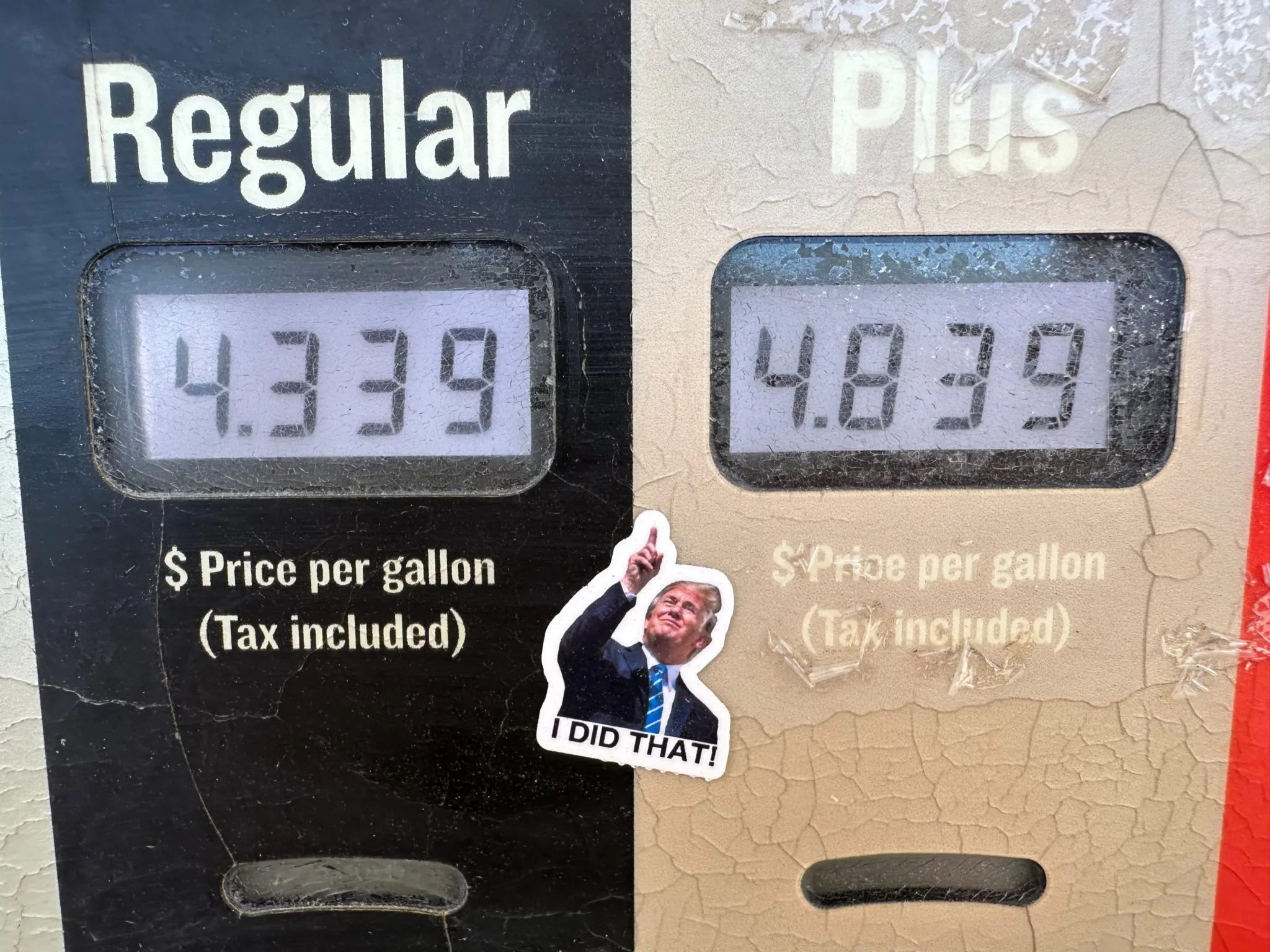
(SeaPRwire) - By: Christian BrooksThe narrative of the unstoppable American consumer is officially cracking. Retail executives keep praising shopper resilience on quarterly calls. Yet, the ground-level reality tells a completely different story. The recent surge to four-dollar gasoline has triggered a quiet panic. This price point acts as a psychological breaking point for household budgets. Families are not just adjusting their driving habits. They are actively triaging their entire daily spending. The temporary cushion of tax refunds has finally dried up. Now, retail faces a brutal demand cliff. The illusion of growth, propped up purely by inflated prices rather than actual transaction volume, is ending.The data reveals deep structural stress across the retail landscape. At Walmart and Sam’s Club, average fuel purchases dropped below ten gallons per trip. This is the first time this has happened since 2022. Costco members are making extra trips just to top up their tanks. They fear even higher prices tomorrow. Meanwhile, convenience stores saw pump transactions plunge nearly ten percent through March and April. Inside sales fell over ten percent. The pain is rapidly spreading beyond the pump. Between late April and late May, non-grocery sales fell six percent. Housewares and apparel dropped up to seven percent. Even fast-food giants like McDonald's are losing lower-income diners.This shift reshapes the retail competitive landscape. Value-oriented giants are winning the immediate foot traffic. Dollar General is now attracting households earning over one hundred thousand dollars. However, this migration is a symptom of systemic exhaustion, not sustainable growth. When affluent shoppers trade down, mid-tier retailers face structural decline. Brands cannot rely on price hikes to mask falling unit volumes forever. The commercial loop is tightening. Survival now depends on absolute cost leadership and essential utility. Retailers must prepare for a prolonged period of low-volume, high-frequency utility shopping. The era of easy discretionary impulse buys is over.Author bio: Christian Brooks, a prominent financial and business lead commentator specializing in retail market dynamics, consumer macroeconomic trends, and corporate strategy analysis.
More
The Rise of Anticonsumerism: Repair Cafes and Beyond Hot News

The Rise of Anticonsumerism: Repair Cafes and Beyond

(SeaPRwire) - By: James Vance The dominance of mass - produced disposable goods has long been a norm, but a new anticonsumerism trend is causing ripples. Rising U.S. consumer prices, spurred by the war with Iran and higher gasoline costs, are pushing people towards repair rather than purchase. This shift challenges the status quo and creates industry anxiety. Repair Cafes, which started in the Netherlands in 2009, have grown into a global nonprofit with over 59,000 members, about 4,000 cafes, and close to 850,000 items fixed annually. In New Paltz, volunteers help people fix various items like antique fans and old family photos. The Buy Nothing Project, launched in 2013 in Washington state, has expanded to 12.5 million Facebook users. The “right - to - repair” movement is also gaining ground, with some states passing related legislation, and tool libraries are becoming more common. This trend disrupts the traditional consumer - producer commercial loop. As more people embrace repair, trade, and sharing, the demand for new mass - produced goods will likely decline. This could reshape the industry, forcing manufacturers to adapt to a more sustainable and community - centered model. Author bio: James Vance, a Senior Columnist permanently stationed at a top - tier international tech weekly.
More
Trump’s MLB Salary Cap Endorsement Just Resurrected a 30-Year-Old Labor Disaster Hot News

Trump’s MLB Salary Cap Endorsement Just Resurrected a 30-Year-Old Labor Disaster

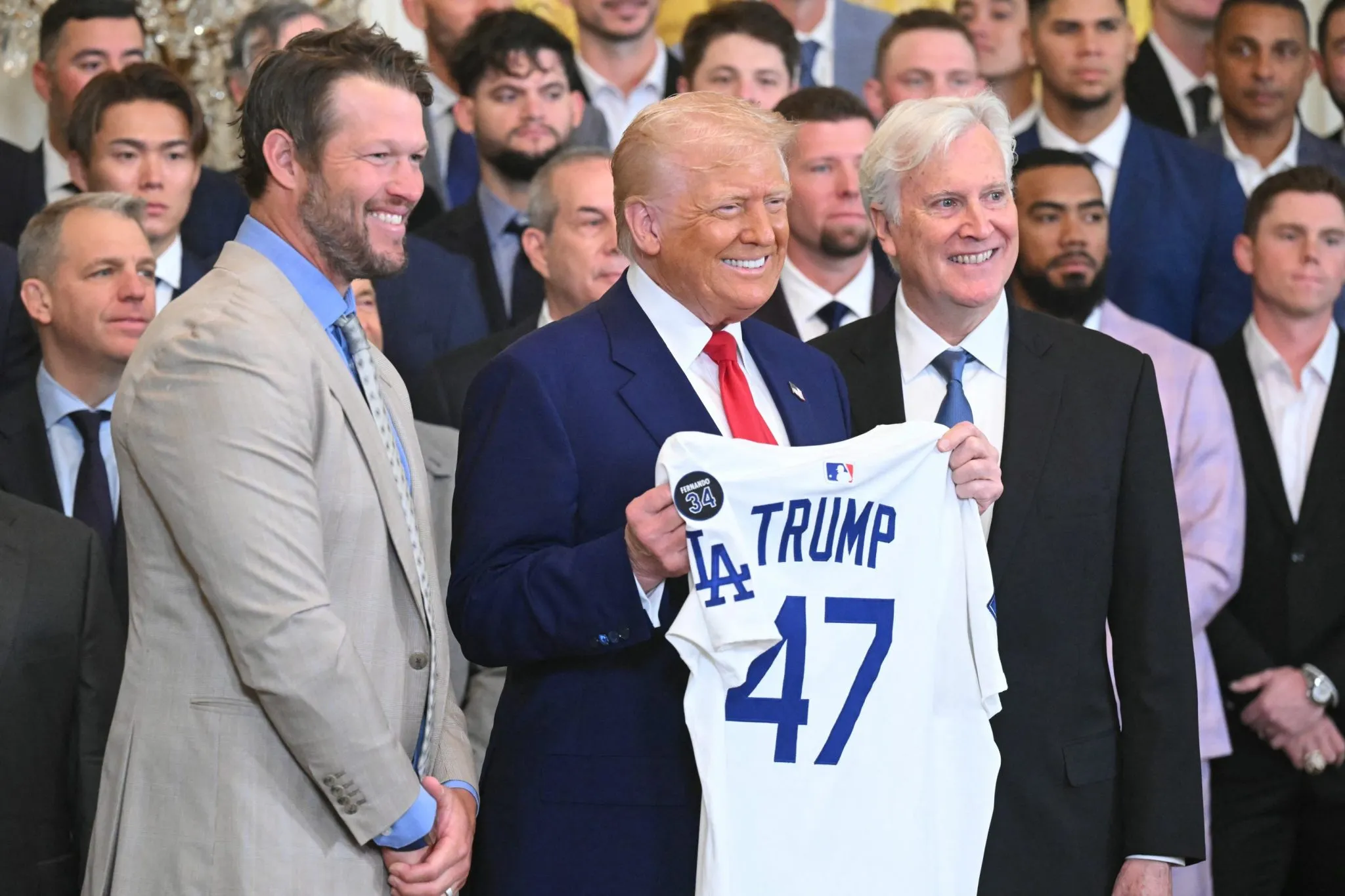
(SeaPRwire) - By: Christian Brooks MLB’s decades-long salary cap fight just got a high-profile wildcard. No one expected the U.S. president to insert himself into these private bargaining talks. The last time this fight blew up, the World Series was canceled for the first time in 90 years. Fans deserted the sport for years after that 1994 strike, and it took decades to win them back. Trump made his comments Friday aboard Air Force One. He said a salary cap is necessary for the sport to function, and should have been implemented long ago. MLB owners proposed a $245 million hard cap paired with a salary floor in their opening offer. The players union has already vehemently rejected the proposal. The current collective bargaining agreement expires December 1. If no deal is reached by then, owners will likely lock out players, per ESPN reports. A prolonged work stoppage would put the upcoming season at immediate risk. Owners know aligning with Trump will win them public support with conservative fan bases. Players have no reason to give up the uncapped pay structure no other major U.S. pro league offers. Both sides are digging in, and a work stoppage is now far more likely than a last-minute compromise. Author bio: Christian Brooks, a prominent financial and business lead commentator covering North American pro sports commercial and labor dynamics for over a decade.
More
Iran War’s Price Shock Ignites U.S. Oil Drilling’s Longest Streak in 4 Years—Here’s the Real Play Hot News

Iran War’s Price Shock Ignites U.S. Oil Drilling’s Longest Streak in 4 Years—Here’s the Real Play

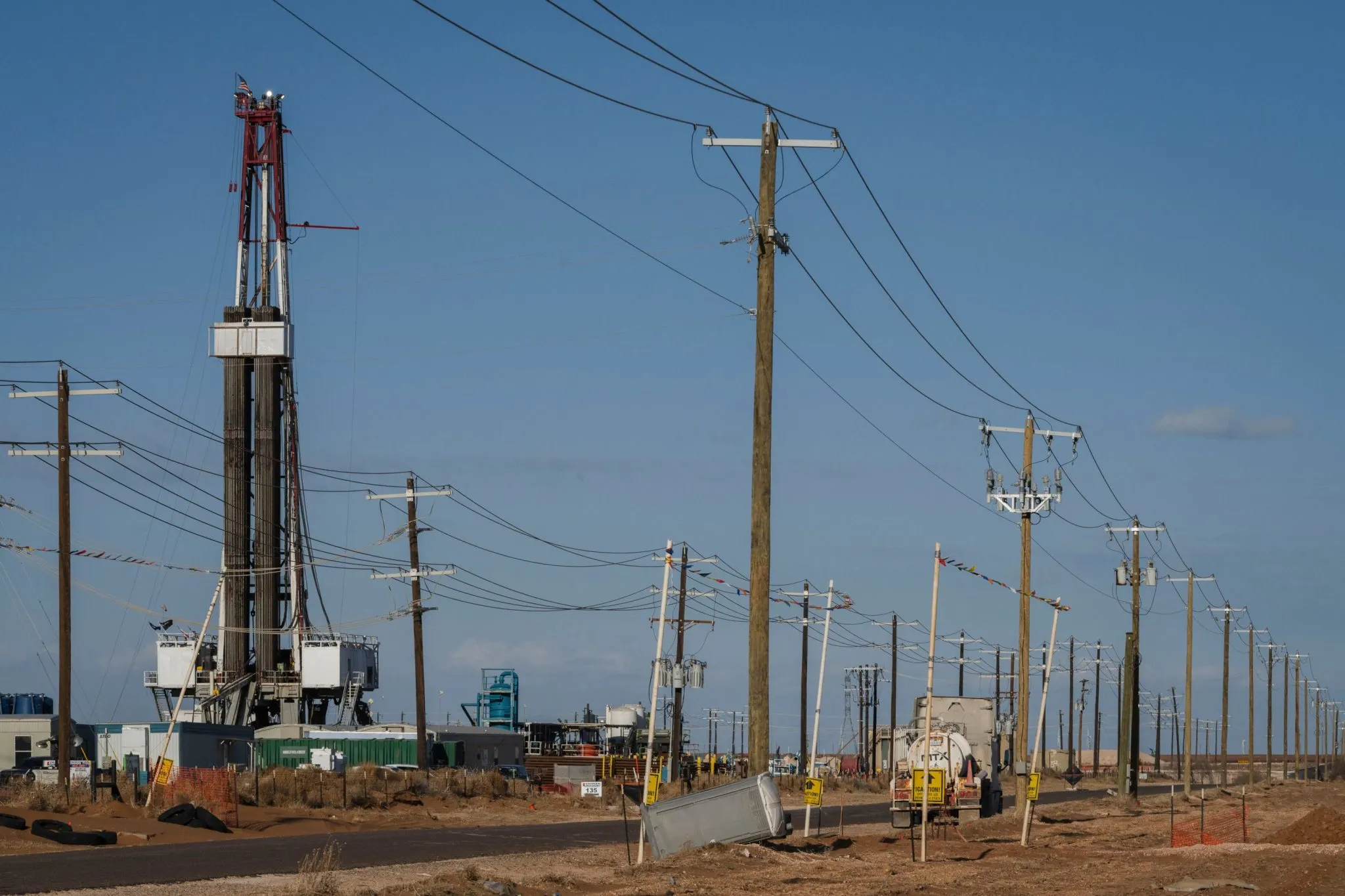
(SeaPRwire) - By: Robert Sterling Don’t be fooled by the rig count numbers. This six-week drilling streak isn’t just a response to higher prices. It’s a quiet scramble to capitalize on a geopolitical mess that’s not going away anytime soon. Shale drillers aren’t chasing a temporary bump—they’re locking in market share while overseas supplies stay shaky. The official numbers tell a straightforward story. Baker Hughes reported Friday that U.S. oil rigs rose two this week to 431. This marks six straight weeks of growth, the longest uptrend since mid-2022. Back then, drillers reacted to pent-up demand as pandemic lockdowns lifted. But the subtext here is starker. This isn’t about demand bouncing back—it’s about supply falling apart elsewhere. Official reports link the streak to crude prices surging 35% since the Iran war began in late February. Over the past six weeks, U.S. crude futures averaged nearly $98 a barrel. Overseas refiners are snapping up U.S. cargoes to replace supplies disrupted by the conflict, which is nearing its 100th day. The unspoken truth? Drillers see this price strength as durable. They wouldn’t ramp up if they thought the war would end next month. U.S. shale producers are now positioned to grab a bigger slice of the global oil market. This streak isn’t a blip—it’s the start of a long-term shift in supply chains. Author bio: Robert Sterling, a veteran industrial investor with 30+ years in energy sector expansion and market strategy.
More

SpaceX and Other Mega IPOs: The S&P 500 Wait and Its Implications

(SeaPRwire) -By: Logan Pierce SpaceX and other big IPO candidates may be in for a long wait to join the S&P 500. The index committee declined to ease the profitability rule. SpaceX might not see positive net income annually until 2027, delaying entry until 2028 if the rule holds. Anthropic and OpenAI, weighing IPOs this year, could face similar hurdles. Anthropic's June quarter profit is expected, but future profitability is uncertain due to spending. OpenAI isn't expected to be profitable soon. The S&P 500 aims to mirror the US market. Maintaining the net income requirement is tough to defend, yet some think it benefits the index. Research shows SpaceX's capital expenditures will soar, with positive free cash flow predicted later. Holding the line on the rule has split market watchers. But the S&P 500 is sticking to its rules, unaffected by big names like Elon Musk's SpaceX. Author bio: Logan Pierce, independent business writer covering tech and finance trends on Medium.
More

210% GDP: The U.S. Debt Threshold Where Tax Hikes Can’t Prevent Default

By: Elena Rostova The U.S. is heading toward a fiscal cliff it can’t tax its way out of. Penn Wharton Budget Model says once debt hits 210% of GDP, no labor tax can cover interest payments enough to keep investors happy. Default on Treasuries or Social Security becomes near certain then. Today’s debt-to-GDP is 100%. The Congressional Budget Office forecasts it hitting 175% by 2056. But healthcare costs could speed the 210% threshold. PWBM gives a 25% chance of hitting it in 14 years. Fixing this now needs a 15% permanent labor tax hike with no income caps. Higher rates, tariffs, or a market crash could cut leeway by 2-4 years. Investors’ trust in fiscal fixes is critical—lose it, and the crisis arrives sooner. (SeaPRwire) - Congressional Budget Office Japan’s 200%+ debt works because of domestic holders, but U.S. relies more on foreign investors. Japanese investors (largest foreign Treasury owners at $1 trillion) are shifting to JGBs as rates rise. Weak Treasury auctions show demand is fading. Social Security and Medicare insolvency by 2034 may push reform. But lawmakers might tap general revenue to avoid voter pain—this could make bond markets react sharply, forcing real fiscal changes. Author bio: Elena Rostova, a public policy expert specializing in compliance assessments for governments and sovereign wealth funds.
More

S&P 500 Welcomes AI Chipmaker Marvell and Manufacturing Giant Flex: What It Really Means for the Market

(SeaPRwire) -By: James Vance The S&P 500, that ever-watchful barometer of American corporate might, is set to induct Marvell Technology and Flex Ltd. into its ranks. This isn't just a reshuffling of index cards; it's a signal. Marvell, a semiconductor player riding the AI data center wave, and Flex, a titan in electronics manufacturing, are replacing Pool Corp. and The Campbell’s Company before the market opens on June 22. This move underscores a fundamental shift: the market is rewarding companies directly fueling the current tech revolution. The press release paints a clear picture. Marvell’s recent earnings beat expectations, projecting a robust year ahead, largely thanks to the insatiable demand for chips powering AI. Flex, on its part, issued profit guidance for 2027 that surpassed consensus, alongside a strategic spin-off of its cloud and power infrastructure segment. These aren't minor adjustments; they are strategic plays positioning these companies for sustained growth in a rapidly evolving landscape. The immediate market reaction, with Marvell shares up 6% and Flex up 2% in after-hours trading, validates this sentiment. The criteria for S&P 500 inclusion—a market capitalization north of $22.7 billion, alongside profitability and liquidity requirements—are stringent. For passive funds tracking the index, this means automatic buying. This elevates the importance of index inclusion, especially as passive investing continues its ascent. S&P Dow Jones Indices’ recent decision to maintain its 12-month seasoning period for large IPOs, effectively barring companies like SpaceX from immediate entry, highlights the gatekeeping power of these benchmarks. This stance contrasts with rivals, signaling a deliberate approach to market access. This adherence to established rules by S&P Dow Jones Indices, despite the emergence of mega-cap private entities, forces a reevaluation of market entry dynamics. Companies like SpaceX, with valuations soaring before public listing, now face a more traditional path. The estimated billions in forced passive buying that such companies would attract if admitted quickly underscores the financial gravity of S&P 500 membership. This deliberate pacing by S&P Dow Jones Indices, while potentially frustrating for some, reinforces the benchmark's integrity and its role as a stable, albeit selective, indicator of established corporate success. Author bio: James Vance, a Senior Columnist permanently stationed at a top-tier international tech weekly, provides sharp analysis on market trends and corporate strategy.
More
When Putin Rejected Peace Talks, Ukraine’s Retaliation Hit St. Petersburg Hours Later Hot News

When Putin Rejected Peace Talks, Ukraine’s Retaliation Hit St. Petersburg Hours Later

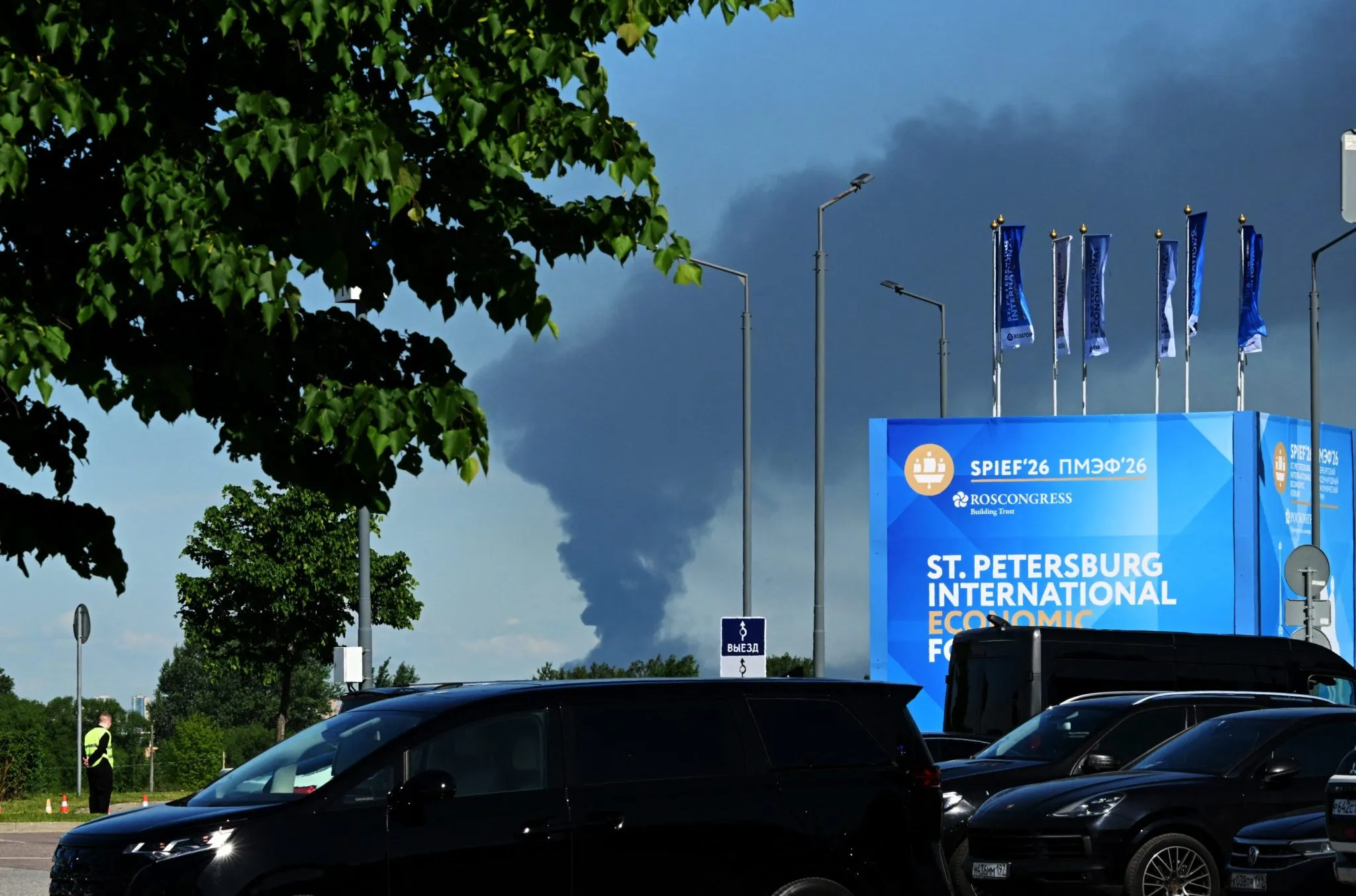
(SeaPRwire) - By: Alistair Kroon This isn’t a random drone strike on Russian soil. It is a calculated response to Putin’s rejection of peace talks. Kyiv’s message is blunt. No negotiations means no safety, even for Russia’s core cities. The Kremlin thought turning down talks would project strength. Instead, it got a massive attack right on the closing day of its flagship economic forum. That’s no coincidence. That’s a deliberate escalation Kyiv wanted the whole world to see. Putin spoke at the St. Petersburg International Economic Forum last Friday. He rejected Zelenskyy’s call for a meeting to end the war. He said publicly, “I see no sense” in holding talks with Zelenskyy. Hours after his speech, Ukraine launched a drone barrage on St. Petersburg. The attack came on Saturday, the final day of the Kremlin’s top investment forum. Russian officials confirmed 144 drones were shot down over Leningrad region. The regional governor called the assault unprecedented. A defense ministry facility caught fire, forcing partial evacuation of nearby residents. Russia’s second-largest commercial airport halted operations for hours. Kronstadt naval base was closed to traffic for a time. Zelenskyy quickly confirmed the strikes. He said targets included Russian navy arsenals and the Kronstadt base. Ukraine also hit an oil depot in southern Russia’s Krasnodar region. Russian officials put the fire’s affected area at 5,000 square meters. The Leningrad region is a key Russian commodities export hub. It has been repeatedly targeted by Ukraine this year. For its part, Russia kept up its own attacks on Ukraine over the past day. At least 12 civilians were killed across Ukraine, and more than 70 injured. Six deaths came in Donetsk region, another six in Kherson. Kyiv’s clear goal is to make Russia feel the same pain Ukrainians live with daily. It wants to force Russian elites to question the war’s rising cost. The war has dragged on well into its fifth year. Every rejected talk offer pushes the escalation pendulum further. Russia can no longer treat its core western cities as safe from attack. The Kremlin’s refusal to negotiate opened this new front inside its own borders. Author bio: Alistair Kroon, well-known veteran geopolitical commentator publishing analysis in major international newspapers.
More

’60 Minutes’ Turmoil: 3 Reporters Stay Amid Firing Chaos

(SeaPRwire) -By: Christian Brooks Three '60 Minutes' correspondents are staying, citing fear the show could die. They're angry over recent firings. A memo from Lesley Stahl, Jon Wertheim, and Bill Whitaker said they had a hard time deciding. They wrote, "We don't want to see '60 Minutes' die." Bari Weiss and Nick Bilton fired staff like Tanya Simon, Sharyn Alfonsi, Cecilia Vega, and Scott Pelley. The trio says they're working to trust Bilton but could leave if needed. The show lost four correspondents. Turmoil started with Trump's lawsuit. Skydance merged with Paramount, settled the suit for $16M. CBS News had radio shutdown. Author bio: Christian Brooks, a prominent financial and business lead commentator with deep insights into media industry shifts
More

From $10M Afterthought to $425M Leader: How Seattle Storm Flipped Women’s Sports

(SeaPRwire) -By: Logan Pierce Strip away all the "Seattle basketball revival" PR fluff. This isn’t just a heartwarming underdog sports story. It’s a concrete case study in how undervalued assets can outperform every expectation when run by people who believe in their product. For decades, everyone wrote off WNBA teams as charity projects or side hobbies attached to men’s NBA franchises. The Seattle Storm flipped that entire script from the day local investors bought it. Back in 2001, Howard Schultz’s group bought both the Sonics and Storm for $200 million total. The Storm was just the tail to the Sonics’ dog. The Sonics left for Oklahoma City in 2008 over an arena dispute. A group of local businesswomen led by Ginny Gilder bought the Storm for just $10 million, 5% of the original two-team price tag. Gilder had no deep basketball knowledge, but she had a lifetime of fighting for equity in women’s sports. Over 20 years, the Storm won four WNBA championships all with Sue Bird, who joined the ownership group in 2024 after retiring in 2022. Today the franchise is worth an estimated $425 million, ranking top five among the WNBA’s 13 teams. The league as a whole has seen values skyrocket along with its growing popularity. Now the NBA is eyeing bringing the SuperSonics back to Seattle as early as 2028, with One Roof Sports Entertainment lined up as potential owners. Most industry observers assume a returning Sonics will cannibalize the Storm’s fanbase. That’s the standard take when a bigger men’s franchise moves into a market long held by a women’s team. But that misses the entire dynamics of what the Storm built in Seattle. The Storm didn’t just hang around waiting for the Sonics to come back. It built the entire modern basketball culture of the city from scratch. It cultivated a loyal fan base that cares about more than just big-name men’s basketball. Seattle University marketing professor Natalie Welch points out the Sonics will actually boost the Storm. New Sonics tickets will be hard to get for years, so many new basketball fans will turn to the Storm for live games. That said, growth isn’t without risk. The WNBA is expanding fast, adding Toronto and Portland this year, with three more teams coming by 2030. Longtime fans love the WNBA’s less corporate vibe. As more big money and sponsors flood in, keeping that core fan base happy will be the biggest test. Seattle will end up as the first proof point that two pro basketball teams can both win big in one market. Author bio: Logan Pierce, independent business writer covering sports business and consumer trends on Medium.
More

Trump’s Finals Ticket Comment Exposes a Chasm Between His Rhetoric and Voter Reality

(SeaPRwire) -By: Gavin Thorne Donald Trump’s comment about Knicks fans unable to afford NBA Finals tickets isn’t just a throwaway quip. It lays bare the growing chasm between his 2024 reelection campaign rhetoric and the lived experiences of average U.S. voters. The line landed right as he faces renewed pressure to deliver on his long-standing promise to tame inflation. On Air Force One last Friday, Trump confirmed he’d attend Monday’s Game 3 of the NBA Finals at Madison Square Garden. When asked about $8,000 per ticket asks for the matchup between the Knicks and Spurs, he told fans to watch on television. He called the experience “semi-free” and doubled down with “that’s the way life goes.” He added tickets would be easy to get if the Knicks weren’t winning their first Finals series since 1999. Trump is a lifelong Knicks fan who watched Game 1, which New York won 105-95 in San Antonio. He praised Jalen Brunson and Karl-Anthony Towns as standout players on the team. When asked about Spurs star Victor Wembanyama’s crossed arms during the national anthem before Game 1, Trump dodged the question. The moment touched off a conservative online firestorm, even though Wembanyama is French and his home country’s anthem wasn’t playing. He said he hadn’t seen the gesture and suggested reporters ask Wembanyama directly. NBA Commissioner Adam Silver said earlier this week that a presidential appearance at the Finals could help unify a divided U.S. society. He cited a sense of connectivity and belonging as key benefits for fans and the league alike. Trump’s decision to attend comes right as that unifying rhetoric clashes sharply with his dismissive take on working-class fans struggling with sky-high ticket prices. The original version of this story incorrectly said the Knicks last made the Finals in 1994; the correct year is 1999. Trump doesn’t need to purchase tickets to attend major sporting events, having been to the 2025 Super Bowl, Daytona 500, and Ryder Cup during his second term. This elite access puts him far removed from the average fan facing inflated costs for everything from groceries to game tickets, as Iran tensions spike global commodity prices. This offhand comment will become a staple attack ad for his Democratic opponents ahead of the November midterm elections. Author bio: Gavin Thorne, an insider political investigative journalist based in Washington, D.C., covering campaign rhetoric and voter sentiment.
More
Half of US startups die in 5 years. These 200-year-old Fortune 500 firms hold the only real longevity playbook Hot News

Half of US startups die in 5 years. These 200-year-old Fortune 500 firms hold the only real longevity playbook

By: Christian Brooks 50% of new U.S. businesses fold within their first five years, per Bureau of Labor Statistics data. Founders scramble for quick growth, burn cash chasing fleeting trends, and rarely plan past the next funding round. Hardly anyone stops to ask how companies survive for 200 years, let alone make the Fortune 500 while doing it. The newly released 2026 Fortune 500 includes a handful of firms that trace roots to the 18th century or earlier. Molson Coors, the maker of Coors, Miller and Blue Moon, launched in 1774 before U.S. independence, now ranks No.390 with $11.14 billion in revenue and 16,000+ employees. BNY launched in 1784, while Cigna and State Street followed in 1792. JPMorgan Chase, Citigroup and Hartford Insurance also sit in the 200+ year club, surviving wars, the Great Depression and repeated market crashes. (SeaPRwire) - The 200-year survival of American banking institutions and insurance companies NYU Stern emeritus professor Richard Sylla breaks corporate longevity down to two simple rules. First, pick a stable, core industry that will always have demand. Second, build leadership that anticipates risk instead of chasing short-term gains. State Street stuck to its narrow, high-expertise niche for decades with no strategic drift. Cigna adjusted its offerings from ship insurance to health services, but never abandoned its core purpose of protecting people. Any new business that wants to outlast the current market cycle needs to prioritize these two rules over viral growth hacks. Author bio: Christian Brooks, prominent financial and business lead commentator with 17 years covering corporate strategy and long-term market performance.
More