
(SeaPRwire) – By: Lucas Caldwell
The old guard keeps chanting “human in the loop” like a prayer. It is a comforting lie. We are not building assistants anymore. We are building swarms. The volume of machine-to-machine chatter is drowning out human capacity. You cannot scale a human supervisor to match a trillion agent transactions. The bottleneck is strictly biological. The architecture has shifted fundamentally. We are no longer the pilots. We are just the ground crew watching the autopilot fly itself into the future.
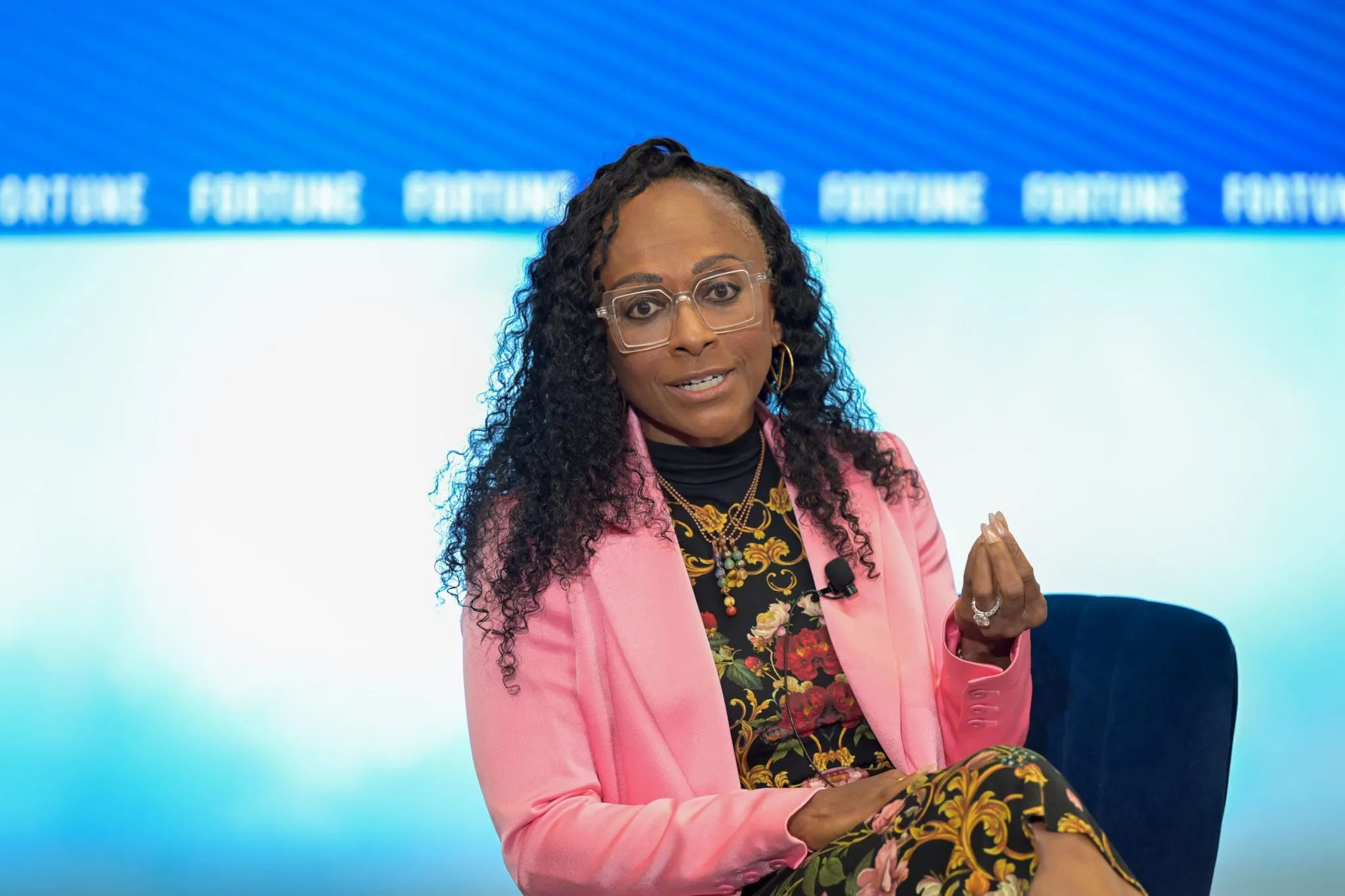
Zach Maybury runs the tech at DraftKings. He deals in trillions of transactions. He admits the obvious. Humans cannot fit in those loops. There are not enough people on Earth to monitor every agent handshake. LaShonda Anderson-Williams from Salesforce sees the stakes. In healthcare, a mistake kills. It is not a wrong t-shirt size. The risk is existential. They are not debating theory. They are running mission-critical infrastructure where biological oversight is mathematically impossible.
Anthony Moisant at Indeed manages data for 645 million job seekers. He relies on constant testing. He cannot watch every move. Diya Jolly at Xero draws a line. Deterministic outcomes are safe for agents. Judgment calls are not. When the code needs nuance, the human must stay. But the volume is crushing them. The panelists agree on one thing. Governance is the only safety net left. You bolt on tools at your own peril.
The market is splitting into two camps. The reckless and the governed. Anderson-Williams warned against bolting on tools without rules. That era is over. Scalable governance is the new product. Companies must define where agents can roam. They must design the boundaries before they unleash the swarm. The cost of failure is too high. This is not an IT problem. It is a survival problem. The architecture of control is changing.
Maybury emphasized that governance must scale with the agents. Old rules break under new loads. We are seeing a massive speed increase in creation. But speed amplifies errors. The industry is learning to trust black boxes. It is a terrifying transition. We are trading control for velocity. The winners will be those who can automate the oversight itself. The losers will be stuck trying to manually check the work of a god-like intelligence.
The CEO of the future will manage a board of directors composed entirely of algorithms.
Author bio: Lucas Caldwell, a tech opinion leader with millions of followers on X/Twitter analyzing the pulse of Silicon Valley.