
(SeaPRwire) – By: Christian Pierce
Three months into the Iran war, analysts’ worst fears haven’t come true. They predicted crude would hit $200 a barrel, nearly triple pre-war levels. Instead, prices hover around $94—down from $104 just a month prior. The quiet force keeping markets calm? China’s plummeting oil imports. But this buffer won’t hold forever.
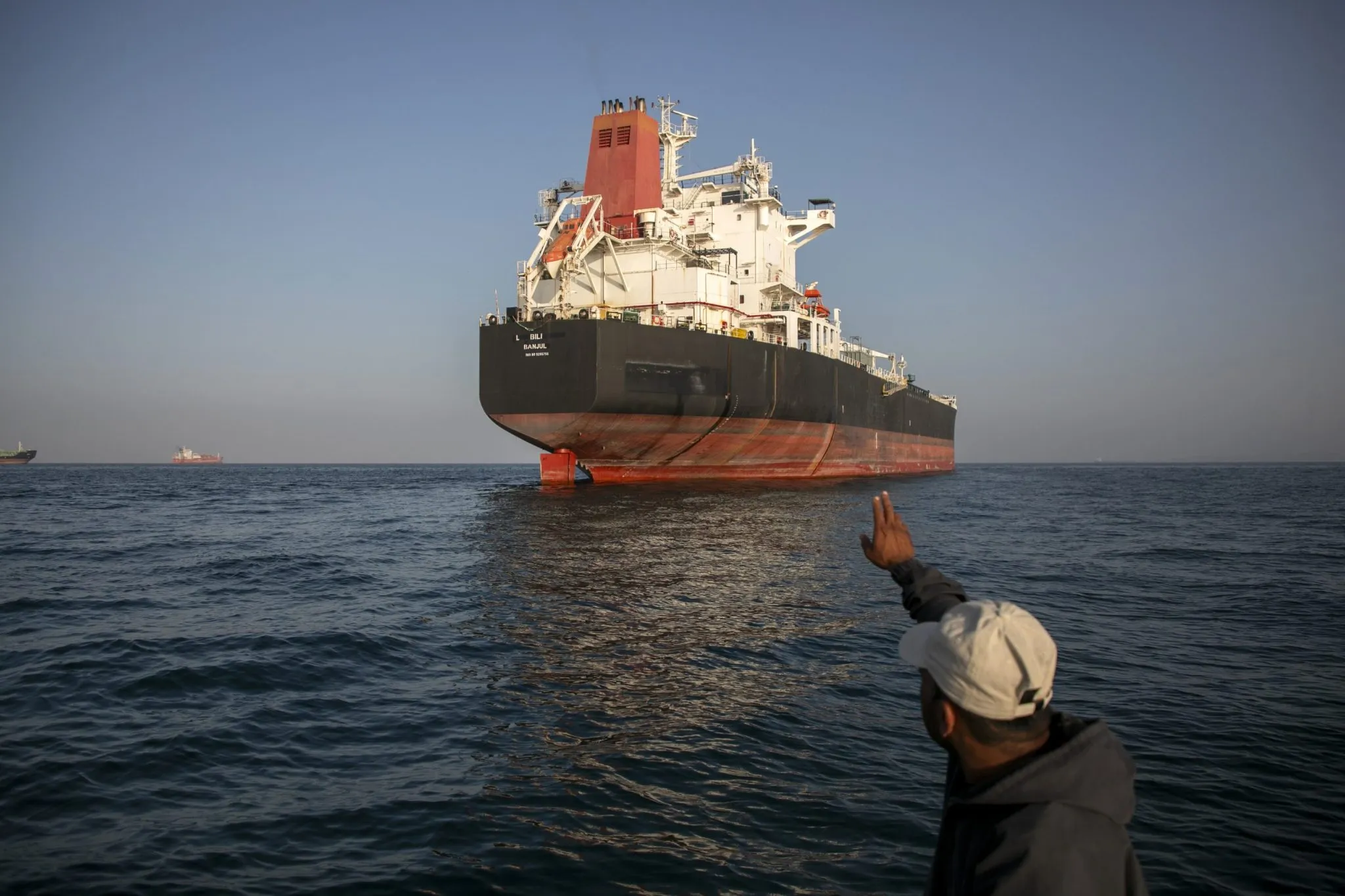
The Strait of Hormuz, which carries 20% of the world’s oil, is effectively closed. It’s the largest energy disruption in global history. Yet China has leaned on its 1.4 billion barrels of strategic reserves. Customs data shows its imports dropped from 11 million barrels a day (five-year average) to 7.8 million in May—its lowest in a decade. JPMorgan says this cut makes up 74% of the global decrease in crude trade. Societe Generale notes a 14% global supply loss has only pushed prices up 30%, a far cry from the 130% spike during the 1973 OPEC embargo.
China’s ability to suppress prices has hard limits. It learned a harsh lesson in 2021, when a coal shortage led to widespread power outages. Power plants lost money because of government price caps on electricity. Since then, it’s poured cash into electrification and reserves. But Oxford Institute’s Michal Meidan questions how long imports can stay low before China taps deeper into stocks or buys at higher prices. Societe Generale adds US oil exports and more Hormuz shipping than expected are helping now. But if the conflict drags on, prices will rise. The market needs higher prices to rebuild reserves, attract new supply, and restore balance. By next quarter, we’ll likely see China resume large-scale imports, pushing oil past $110 a barrel.
Author bio: Christian Pierce, chief financial columnist and markets commentator with 15 years covering global energy and commodity markets.

