(SeaPRwire) – By: Lucas Caldwell
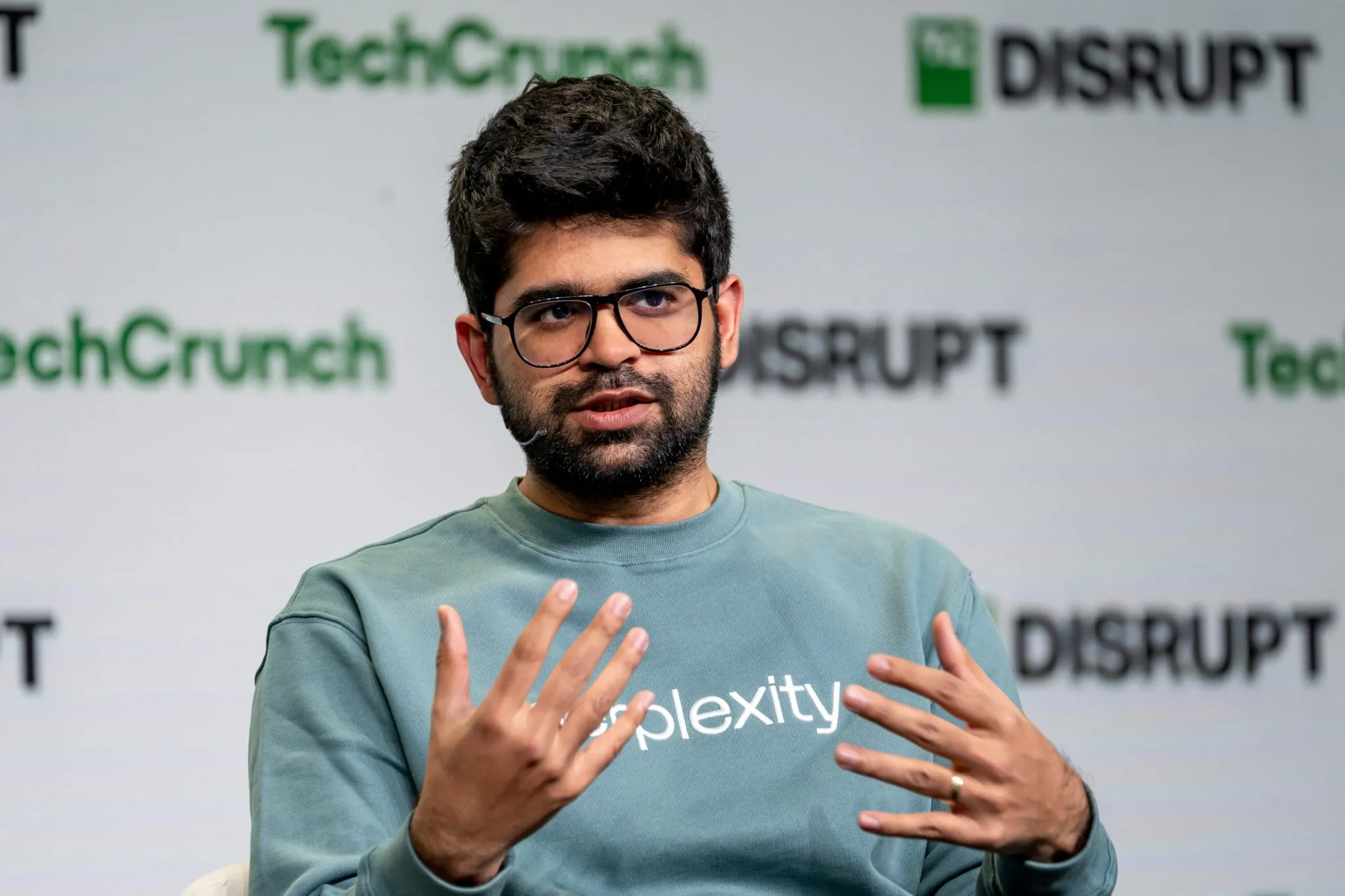
[Paragraph 1] The modern tech worker is paralyzed by a toxic cocktail of layoffs and AI-driven anxiety. We treat career stability like a holy grail, yet Aravind Srinivas, the CEO of Perplexity, views this defensive posture as a strategic blunder. He argues that the obsession with avoiding failure is the single greatest obstacle to genuine professional growth. In a high-stakes environment where the trillion-dollar AI race is being run at breakneck speed, Srinivas isn’t playing to keep his seat. He is playing to win. He views the fear of failure as a relic of a risk-averse mindset that has no place in the current era of rapid innovation.
[Paragraph 2] Srinivas’s trajectory is rooted in a background far removed from the boardrooms of Silicon Valley. Growing up in a lower-middle-class family in Chennai, India, his early definition of success was simply securing a stable job. He excelled academically, earning an electrical engineering degree from the Indian Institute of Technology. His professional path led him to prestigious internships at OpenAI and Google DeepMind. These roles were the pinnacle of his family’s ambitions. Having already surpassed those initial benchmarks, he now operates with a sense of liberation that allows him to take aggressive, high-stakes risks without the weight of personal insecurity.
[Paragraph 3] Since cofounding Perplexity in 2022, the company has seen a meteoric rise. It has secured at least $1.5 billion in funding, with a valuation estimated between $18 billion and $20 billion as of 2025. Srinivas credits this growth to his refusal to play defense. He views his current position as a bonus on top of an already extraordinary life. This perspective fuels his “attack, attack, attack” philosophy. He believes that once you strip away the fear of losing what you never expected to have, you gain the clarity to pursue revolutionary ideas that others are too timid to touch.
[Paragraph 4] This sentiment echoes across the upper echelons of tech leadership. Ryan Smith, the founder of Qualtrics, has long argued that safety is the enemy of progress. He views the lack of bold, risky moves as a sign that a company has stopped pushing boundaries. For Smith, the biggest professional regret is not failing, but failing to act on a big idea because of the fear of what might happen. When a company’s product roadmap is entirely safe, it is effectively signaling that it has no intention of disrupting the status quo or leading the market.
[Paragraph 5] Growth often requires enduring environments that feel intentionally uncomfortable. Informatica CEO Amit Walia credits his time at McKinsey for his ability to lead a $7.6 billion business. He describes the experience as intense and daunting, noting that being pushed around by brilliant peers forced him to sharpen his analytical focus. Similarly, Knix CEO Joanna Griffiths has turned to professional coaching to rewire her brain, shifting her decision-making process from a place of fear to one of optimism. She encourages leaders to play out the worst-case scenario, realizing that health and internal knowledge remain even if a project fails.
[Paragraph 6] The next generation of industry titans will be defined by those who treat institutional failure as a manageable variable rather than a career-ending catastrophe.