By: Logan Pierce
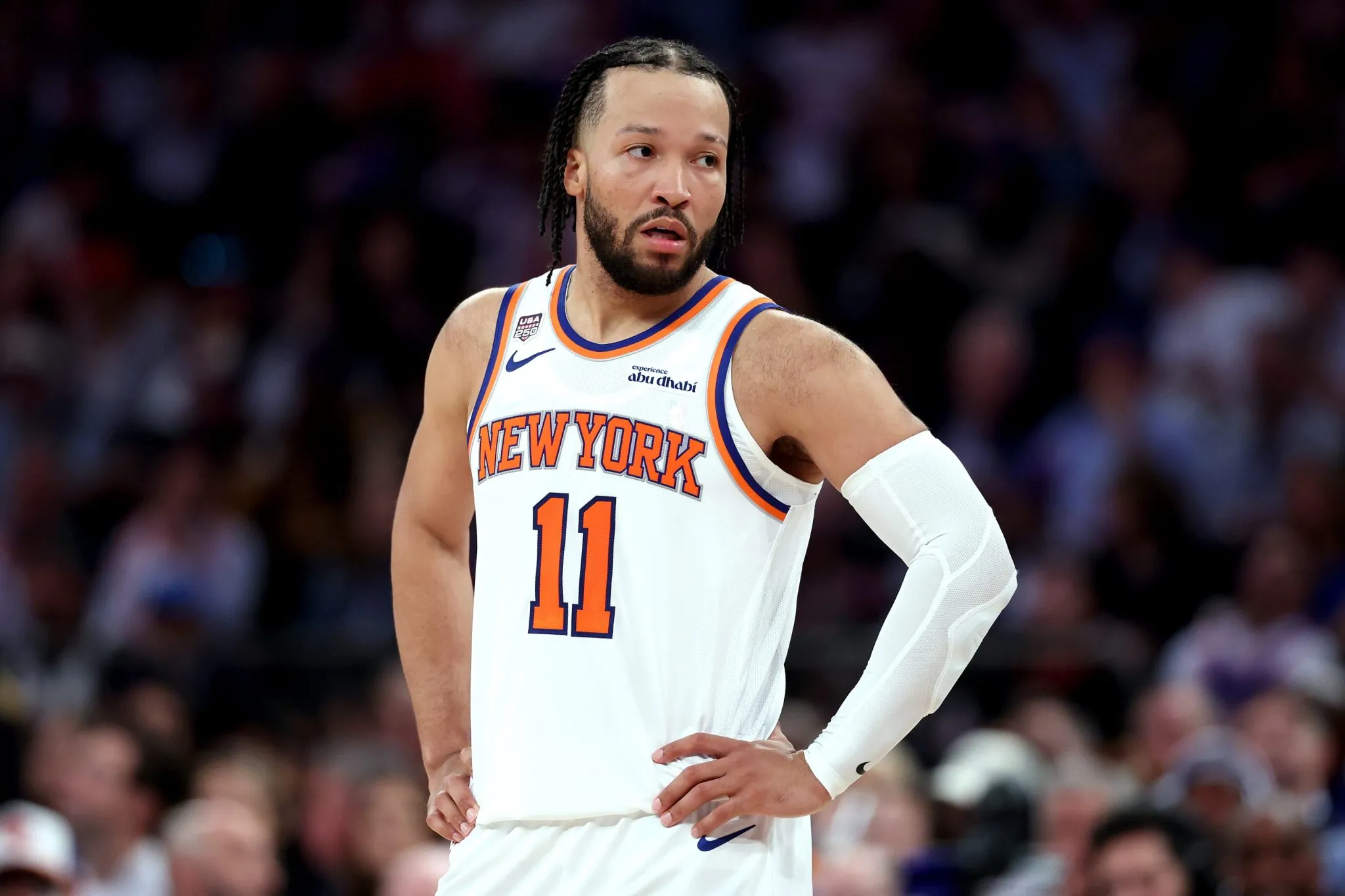
(SeaPRwire) – The sports media loves a story about family legacy. They paint the New York Knicks’ 2026 championship as a fairy tale. But professional basketball is a cold business of asset optimization. The franchise suffered a five-decade drought. They had not won a title since 1973. This victory was not magic. It was a calculated restructuring of talent. Jalen Brunson did not just play a game. He executed a turnaround plan. Scoring 45 points in a 94-90 win is pure operational efficiency. The Knicks overcame a double-digit deficit against the San Antonio Spurs. This was a triumph of risk management.
Let us look at the acquisition strategy. In 2022, the Knicks made two key hires. They signed Jalen Brunson. They also hired his father, Rick Brunson, as an assistant coach. This was not mere nepotism. It was a deliberate alignment of corporate culture. Rick understood the pressure of the New York market. He played for the Knicks during their 1999 Finals run. He also spent nine seasons with the Bulls and Blazers. He retired in 2007 to coach full-time. Bringing both Brunsons in created a unique governance structure. It established immediate operational trust.
This integration plan solved a long-term leadership deficit. Jalen Brunson was ready for the corporate pressure. He watched his father work hard for years. That discipline shaped his own work ethic. The 29-year-old point guard became the ultimate value asset. He was crowned the 2026 NBA Finals MVP. He carried the offense when the team faced elimination. The franchise finally hoisted the Larry O’Brien Championship Trophy. This success stems from a shared operational philosophy. The Brunsons treated the court like a high-stakes boardroom. They executed their roles with absolute precision.
The broader market failed to value this asset early on. In 2018, Jalen Brunson entered the NBA draft. Most teams overlooked his potential. He was selected 33rd overall in the second round. This was a massive valuation error by league scouts. He spent four seasons with the Dallas Mavericks. There, he quietly built his market value. He averaged about 16 points per game. He proved his efficiency in a secondary role. Rival franchises are now forced to re-evaluate their scouting metrics. They missed a premier talent due to rigid draft models.
Now, the market is reacting to the Knicks’ success. Fans flooded the streets of New York in celebration. A historic ticker-tape parade is scheduled for this week. This celebration marks a massive shift in brand equity. The Knicks are no longer a struggling franchise. They are a highly profitable championship brand. Competitors must now adapt to this new power dynamic. The Eastern Conference hierarchy has been completely disrupted. Teams can no longer rely on high draft picks alone. They must find undervalued assets who perform when no one is watching.
The era of relying solely on raw athletic talent is over. Success now requires deep organizational alignment. The Knicks proved that cultural trust beats expensive superstar acquisitions. Other franchises will try to copy this blueprint. They will seek out similar family coaching dynamics. Most will fail to replicate the genuine work ethic of the Brunsons. This structural advantage will keep New York at the top. Franchises failing to adapt to this governance model will soon fall behind in the next NBA corporate cycle.
Author bio: Logan Pierce, an independent business researcher and corporate governance writer on Medium, specializing in organizational turnaround strategies and sports franchise economics.