(SeaPRwire) – By: Robert Sterling, an overseas entrepreneurial veteran with decades of experience in real-economy industrial investment and expansion
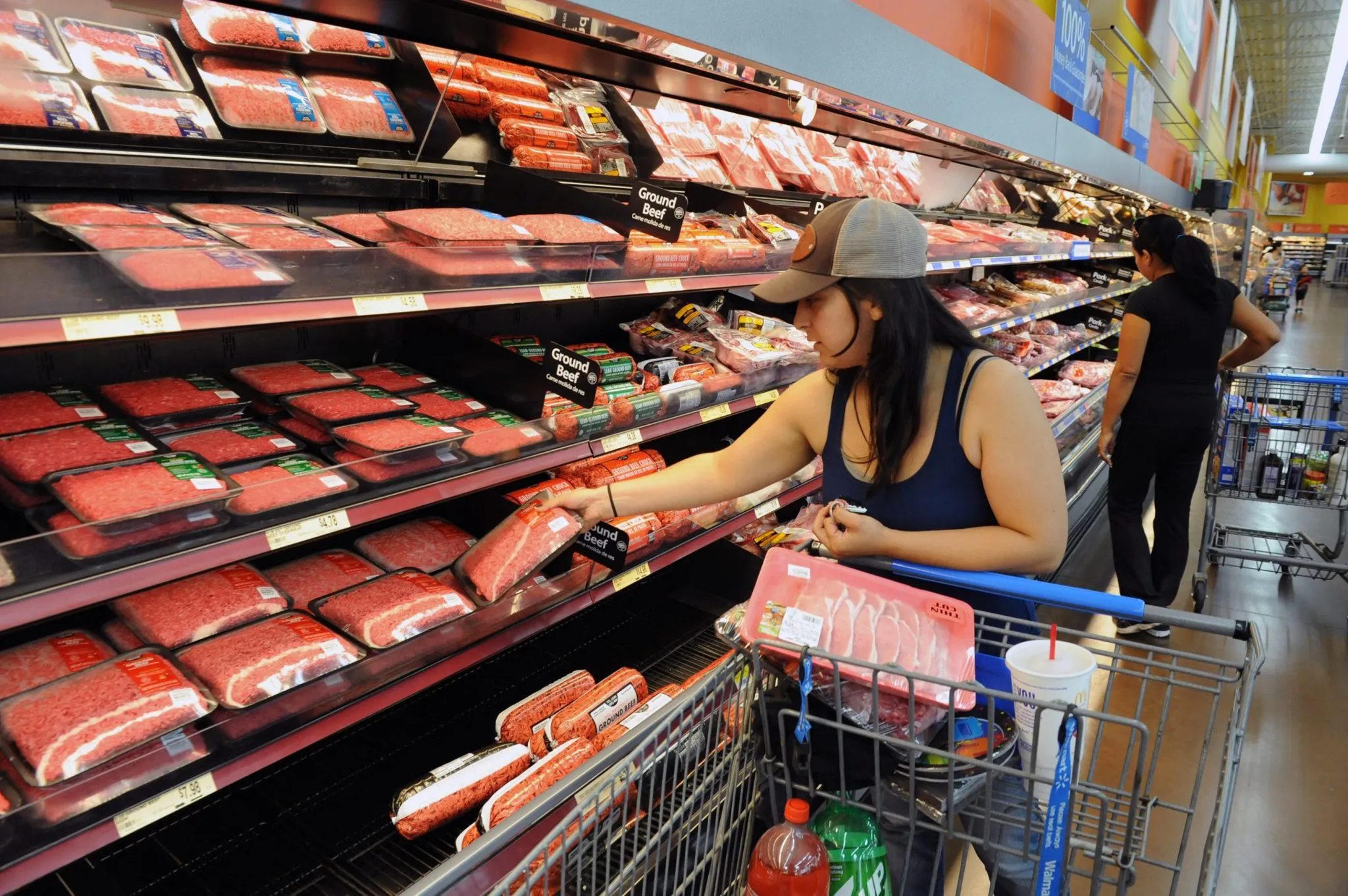
Americans are getting squeezed at the supermarket. Grilling season is here, but ground beef just hit a record $6.90 a pound last month. That’s a nearly 19% jump from a year ago. It’s a tough pill for a country that loves its beef. The U.S. is a global meat powerhouse. It’s second only to Brazil in beef production. Yet, domestic consumers face sticker shock. This isn’t just inflation. It’s a structural problem.
The official numbers paint a clear picture of supply strain. The USDA reported 86.2 million heads of cattle and calves in January. This is down from about 95 million in 2019. It’s the smallest count since 1951. This isn’t a sudden dip. It reflects years of ranchers making hard choices. Drought conditions have become more frequent. Devastating heatwaves in the early 2020s killed thousands of cattle. These events discourage breeding. The impact on herd size lasts for years. Ranchers face higher feed costs too. Drought reduces grazing land. Trump-era tariffs also made fertilizer more expensive. This drives up the cost of growing animal feed.
Despite fewer cattle, the meat produced per head has increased. This is due to selective breeding. Yet, demand remains stubbornly high. U.S. beef consumption held steady for 15 years. It barely budges, even with rising prices. A 2012 USDA paper showed beef’s price elasticity at -0.70. This means a 10% price hike drops demand by only 7%. Chicken’s elasticity was -0.8, pork’s -1.26. Americans aren’t cutting back. This insatiable demand, combined with shrinking herds, creates a perfect storm. Building a cattle herd takes time. A calf needs 16 months to two years to reach market weight. Herd expansion won’t start until 2028 at the earliest. This is according to the American Farm Bureau Federation.
So, what does this mean for the market? Consumers are footing the bill, plain and simple. There’s no quick fix for this supply crunch. The industry isn’t seeing a “reshuffling” of market share. Instead, it’s a fundamental re-pricing of a staple. Households must adjust their budgets. Or they must accept less beef on their plates. This isn’t a temporary blip. It’s the new reality for American beef consumption.