(AsiaGameHub) – By: Jonathan Barrett
The regulatory state is a leaky sieve. Entain, a licensed gambling giant, just proved it. The company found a glaring hole where intellectual property law meets criminal enforcement. It’s a classic case of one government hand not knowing what the other is doing, or worse, not caring.
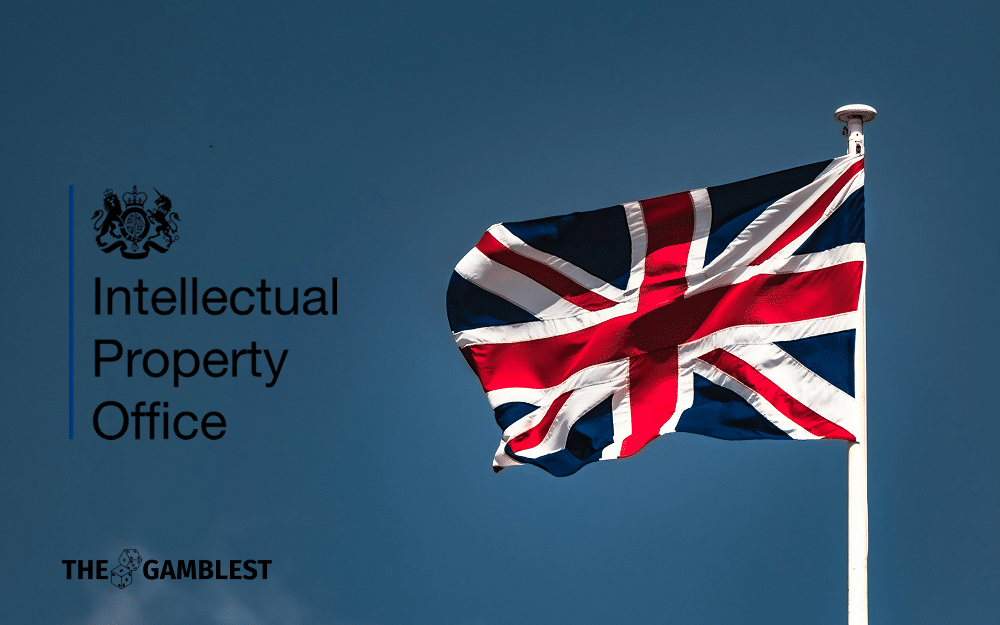
[Official Release Facts] Entain’s top lawyer, Simon Zinger, wrote to the UK IPO. He identified eighteen gambling operators targeting UK residents. Fourteen of them lack a valid Gambling Commission licence. Operating without one is a criminal offence under the Gambling Act 2005. Entain asked the IPO to demand proof of a licence before granting a trademark. They suggested using public policy clauses to deny applications from illegal operators.
[Industry Subtext] This isn’t about protecting a brand. It’s about market hygiene. Licensed players like Entain pay taxes and follow strict rules. Unlicensed rivals skip the fees and regulations. They then use the UK’s own trademark system to gain commercial legitimacy. The IPO’s stamp becomes a shield for criminal activity. It’s a perverse incentive that undermines the entire regulatory framework.
[Official Release Facts] IPO chief Adam Williams responded. He confirmed the concerns are with the policy team. But he laid out the legal bind. UK law restricts the IPO. They can only reject a mark based on its intrinsic properties. Is the mark itself contrary to public policy? They cannot assess the applicant’s actions. Williams noted there’s no mechanism like the one at Companies House for company names.
[Real Social Impact] The impact is clear. A two-tier market thrives. Criminals get official branding tools. Legitimate businesses face unfair competition. The state’s left hand issues trademarks. Its right hand tries to prosecute the same entities. This bureaucratic friction isn’t an accident. It’s a structural flaw that allows grey markets to flourish under the cover of state-sanctioned legitimacy.
The ultimate outcome is predictable. Licensed operators will either demand legislative change or seek extra-legal ways to level the playing field, forcing a regulatory crisis the IPO is currently unequipped to handle.
Author bio: Jonathan Barrett, a lead focus editor for an independent overseas public affairs weekly, specializing in the friction between regulatory frameworks and real-world enforcement.


