(SeaPRwire) – By: Gavin Thorne
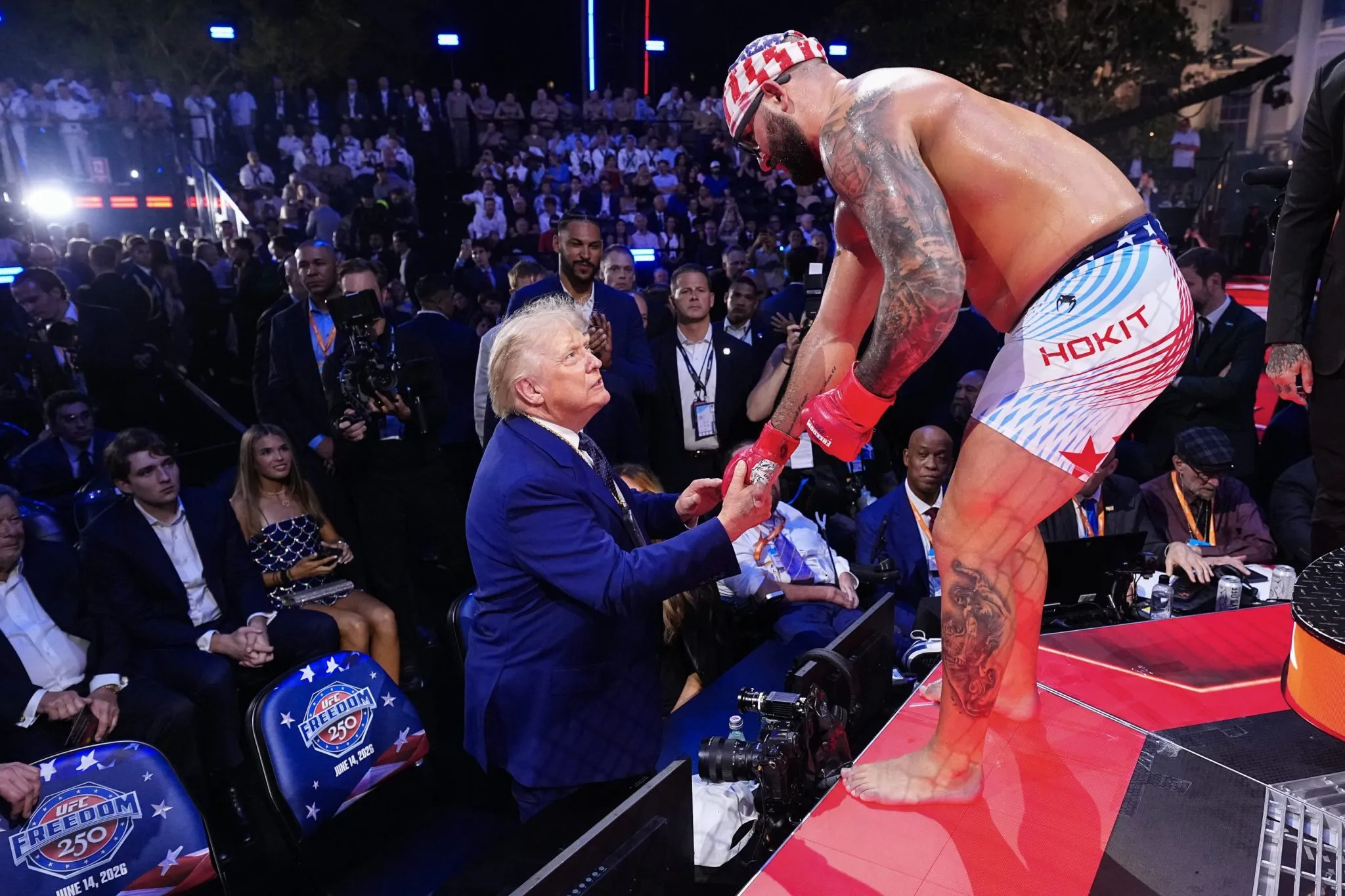
The White House’s UFC event wasn’t just a spectacle—it was a masterclass in exploiting ethics loopholes for personal gain. When fighters got paid in Trump-linked USD1 stablecoins instead of dollars, it laid bare a gaping hole in federal conflict-of-interest rules that lets top officials play by a different set of rules than everyone else. This isn’t just about crypto; it’s about how power can weaponize legal exemptions to turn public events into private profit streams.
Trump’s Freedom 250 UFC event on the South Lawn gave record bonuses to winners. But instead of U.S. dollars, they got USD1—a stablecoin run by World Liberty Financial, his family’s crypto business. Former Bush ethics lawyer Richard Painter says this arrangement would be a felony for most federal officials, but not for the president. The law bars executive branch employees from handling matters affecting their financial interests, but the president is exempt.
World Liberty Financial was founded in 2024 by Trump’s family and close associates. Though Trump stepped back from formal governance after taking office, his recent financial disclosure shows he’s made over $57.3 million from the company’s governance tokens. USD1, launched in 2025, circulates in billions and generates tens of millions yearly from reserve interest—money that lines the pockets of those tied to the president.
The exemption for top officials isn’t accidental. For years, lawmakers have resisted closing it, citing separation of powers. Crypto lobbyists with ties to the Trump family have pushed hard to keep the president’s financial interests outside strict oversight, arguing executive autonomy requires flexibility. This isn’t about principle; it’s about protecting a system that lets those in power profit from public events.
UFC’s silence on payout details speaks volumes. They likely saw the White House event as a PR win, even if it meant using a controversial stablecoin. The White House didn’t respond to questions about conflict checks, suggesting no internal review was done—standard when the exemption applies. No one is holding them accountable because the law doesn’t require it.
This loophole will remain unclosed until voters demand lawmakers hold top officials to the same ethics standards as every other federal employee.
Author bio: Gavin Thorne, an investigative journalist based in Washington, D.C., tracking special interests and legislative affairs for independent outlets.