(SeaPRwire) – By: Robert Kensington
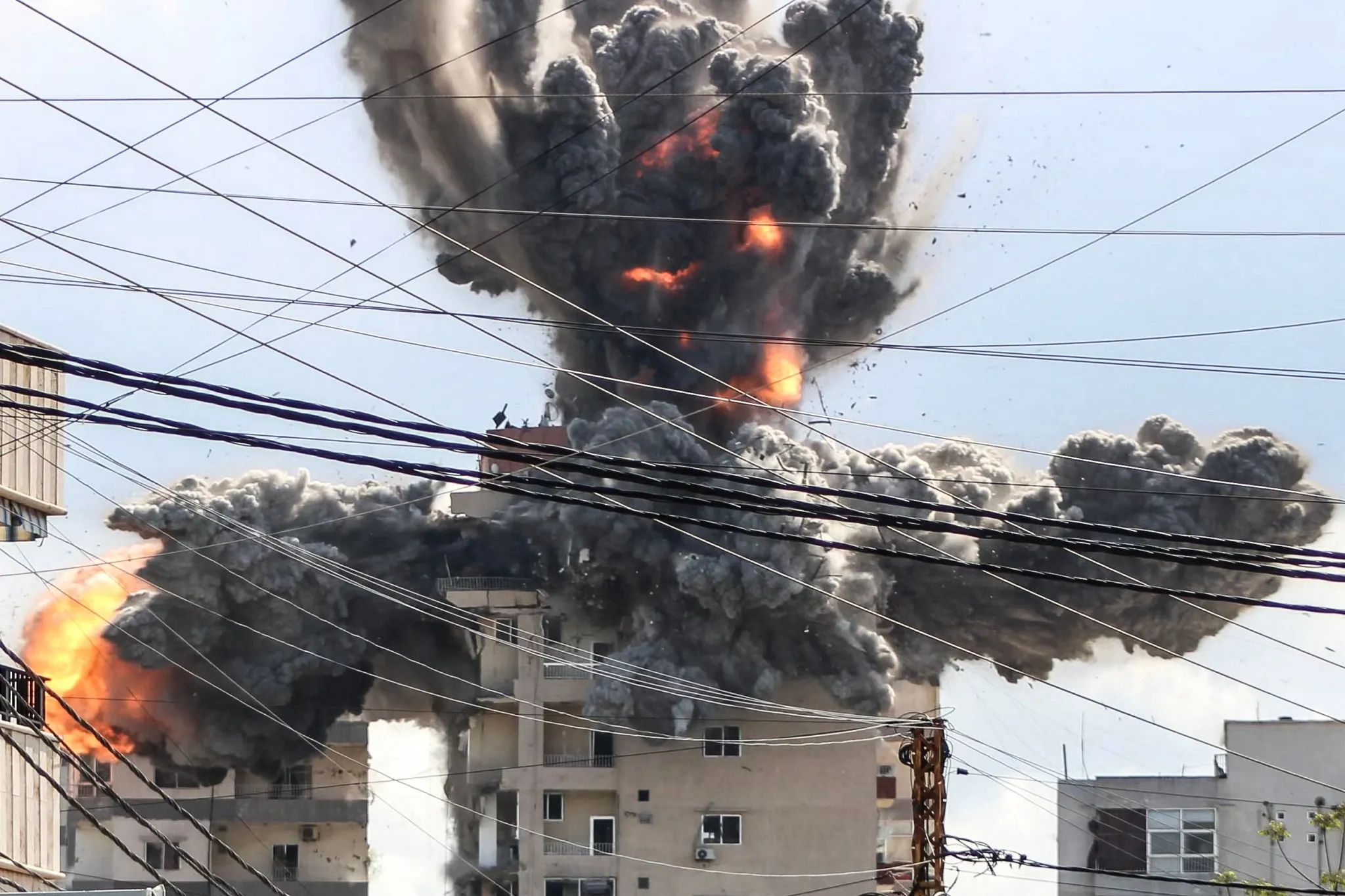
The finance industry’s reliance on historical risk models is collapsing under the weight of modern geopolitical chaos. Citigroup’s warning against “rear-view mirror” analytics isn’t theoretical—it’s a survival imperative. When the Strait of Hormuz shipping premiums spiked to 1% per voyage overnight, traditional distribution curves shattered. War now behaves like a terrorist attack: low-cost triggers generating disproportionate economic detonations.
Verisk’s Predictive War Index claims 66% accuracy forecasting Iran’s conflict onset using 1995-2022 datasets. Their Geopolitical Relations Index tracks bilateral tensions through governance similarity and geographic proximity. Meanwhile, Rand Corporation’s AI model assigns 20% probability to Iran’s regime collapse by 2027—factoring sanctions pressure and civil society support. These tools don’t predict events; they quantify how specific actions shift probability distributions.
Insurers now integrate war predictions into underwriting workflows, but the real play is capital reallocation. Morgan Stanley’s April report notes globalization’s efficiency era is ending. Allianz data shows war has surpassed civil unrest as top corporate insurance fear. The $22 trillion annual economic impact of violence (10% of global GDP) demands new algorithms for supply chain disruption mapping—not just asset damage assessment.
Old guard risk managers clinging to normal distribution models face obsolescence. The multipolar world’s fragmented trade corridors require real-time chokepoint vulnerability analysis. Firms ignoring these tools will misprice assets while competitors hedge against regime change probabilities. Adapt or watch your risk models become museum pieces.
Author bio: Robert Kensington, an overseas entrepreneurial veteran with decades of experience in real-economy industrial investment and expansion.