(SeaPRwire) – By: Christian Pierce
Oil prices just took a sharp tumble, but don’t expect your local gas station to slash prices tomorrow. That’s the frustrating paradox hitting consumers and markets alike. The recent drop masks a bigger picture: prices are still nearly $20 higher than this time last year, and no one can say for sure if they’ll stay down or spike again. Uncertainty around recessions, geopolitical tensions, and supply shifts keeps everyone on edge.
As of 8:50 a.m. Eastern Time on June 12, 2026, Brent crude—the global benchmark—traded at $89.94 per barrel. That’s a $5.21 drop from yesterday’s $95.15, a 5.47% decline. A month ago, it was $107.67, so prices have fallen 16.46% in four weeks. But compared to last year’s $70.70, they’re up 27.21%. Gas prices don’t track oil directly. They include refining, shipping, taxes, and station markups. When oil surges, gas rises fast. When oil falls, gas lags—this is called the “rockets and feathers” effect. The U.S. Strategic Petroleum Reserve can soften price spikes temporarily, but it’s no long-term fix. Oil and natural gas are linked too; high oil prices push some industries to switch to natural gas, boosting its demand. Brent is the go-to benchmark now, even used by the U.S. Energy Information Administration. Oil’s history is volatile: 1970s embargo spikes, mid-80s demand drops, 2008 financial crisis crash, 2020 COVID lockdowns pushing prices below $20.
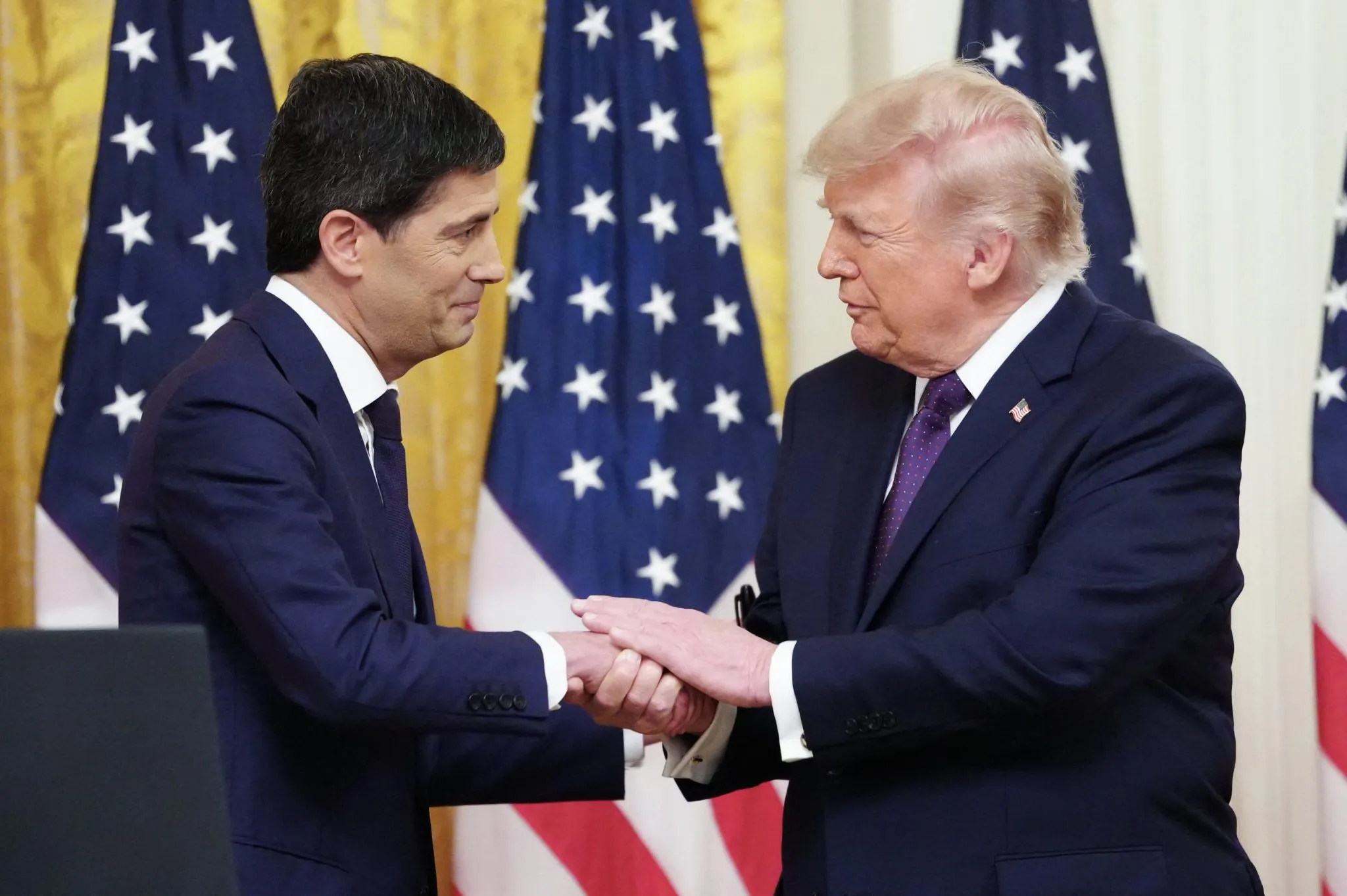
Oil prices boil down to supply and demand. Geopolitics, OPEC+ decisions, and U.S. drilling policies shape future supply. In 2025, the Trump administration reopened 1.5 million acres in the Arctic National Wildlife Refuge for drilling, reversing Biden-era limits. More shale production can help curb price spikes by increasing supply. High oil prices fuel inflation, raising costs for shipping, heating, and grocery store goods. The short-term end-game? Gas prices will take weeks to reflect the recent oil drop. Long-term, volatility will stay until supply and demand stabilize. There’s no magic bullet—even the SPR can’t fix underlying market tensions.
Author bio: Christian Pierce, a chief financial columnist and markets commentator with 15 years of analyzing commodity trends and economic impacts.