(SeaPRwire) – By: Gavin Thorne
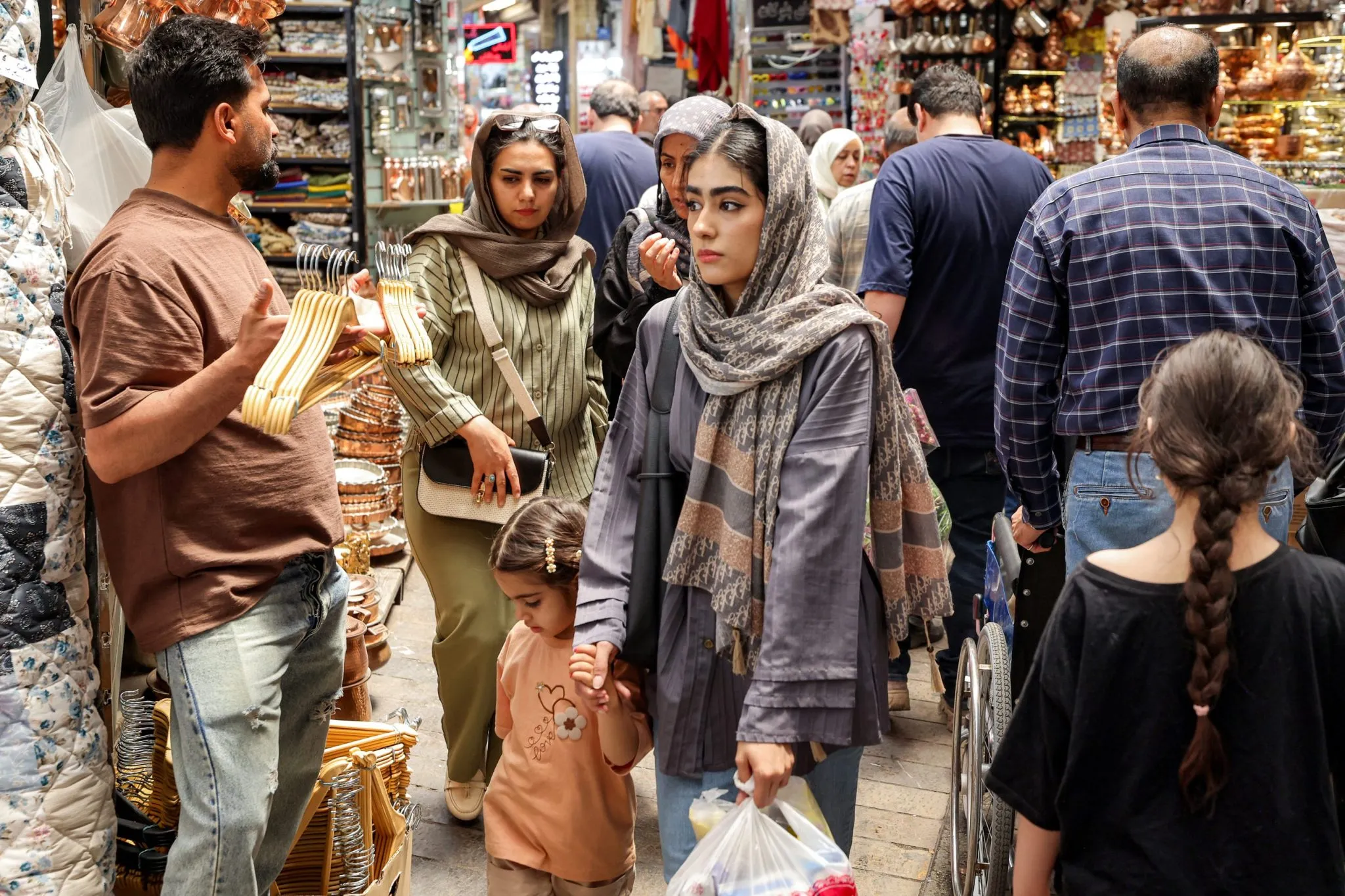
The Islamic Republic survived the bombs. It won’t survive the grocery bill. Iran’s economy isn’t just wounded. It’s in free fall. A regime that crushed protests before the war now faces a deeper, quieter rage. People are selling furniture and carpets. One Tehran resident told Radio Farda he now makes sandwiches to sell on the subway. The government’s own data shows cooking oil prices up 430% year-on-year. Eggs up 345%. Rice up 287%. Milk up 139%. This isn’t a crisis. It’s a slow-motion collapse with no parachute.
The war inflicted $270 billion in damage. That’s nearly Iran’s entire GDP. The IMF expects a 6.1% contraction this year. The UN says 4.1 million more Iranians will fall below the international poverty line. A U.S. naval blockade cut oil revenue. Foreign reserves before the war could cover only three months of imports. Now they’re drained. Economist Javad Rahimpour says people are burning through savings. Discontent is very high. He added that conditions for protests may not exist right now. But that does not mean the state and the people are aligned.
The regime added its own mismanagement. An internet blackout during the war destroyed livelihoods and accelerated the economic freefall. A government employee who attends pro-regime rallies told the New York Times he exhausts his salary by mid-month. He buys groceries on credit. By the time he settles the bill, prices have doubled. His phone bill and electricity bill have jumped fivefold. He has sold his furniture and appliances. He said: “Everybody is angry over the economy. If the government doesn’t fix things, there will be trouble.” That’s not a dissident. That’s a loyalist warning.
Former U.S. diplomat Dennis Ross wrote in the Washington Post that Iran’s leaders cannot use the war as an excuse. They must face their failures to provide for the people. But they will prioritize rebuilding the military and defense industrial base. They will divert resources from a civilian economy already short of water and electricity. Ross predicts internal pressures will build. They may not collapse the regime. But they could produce what Khamenei greatly fears: an Iranian Gorbachev. A leader who wants to prioritize domestic development, reach out to the public, and end confrontation with the outside world.
The regime’s base is fracturing. The pro-regime rally attendee is now angry. The middle class is destitute. Unemployment has soared. A Tehran resident told Radio Farda: “We have all become poor.” He sold his household items. He now makes sandwiches to sell on the subway. His phone and electricity bills jumped fivefold. Economist Javad Rahimpour says the conditions for protests may not exist now. But that should not lead us to think there is some convergence between the state and the people. The patience is gone.
The regime’s survival depends not on its missile stockpiles or the $270 billion in war damage it claims, but on whether it can bring cooking oil and rice prices down before the next wave of hunger-driven protests, stoked by a destitute middle class and angry regime loyalists, turns into a leadership revolt that produces exactly the Gorbachev-style figure Khamenei fears most.
Author bio: Gavin Thorne, an investigative journalist tracking special interests and legislative affairs based in Washington, D.C.