
(SeaPRwire) – By: Robert Kensington
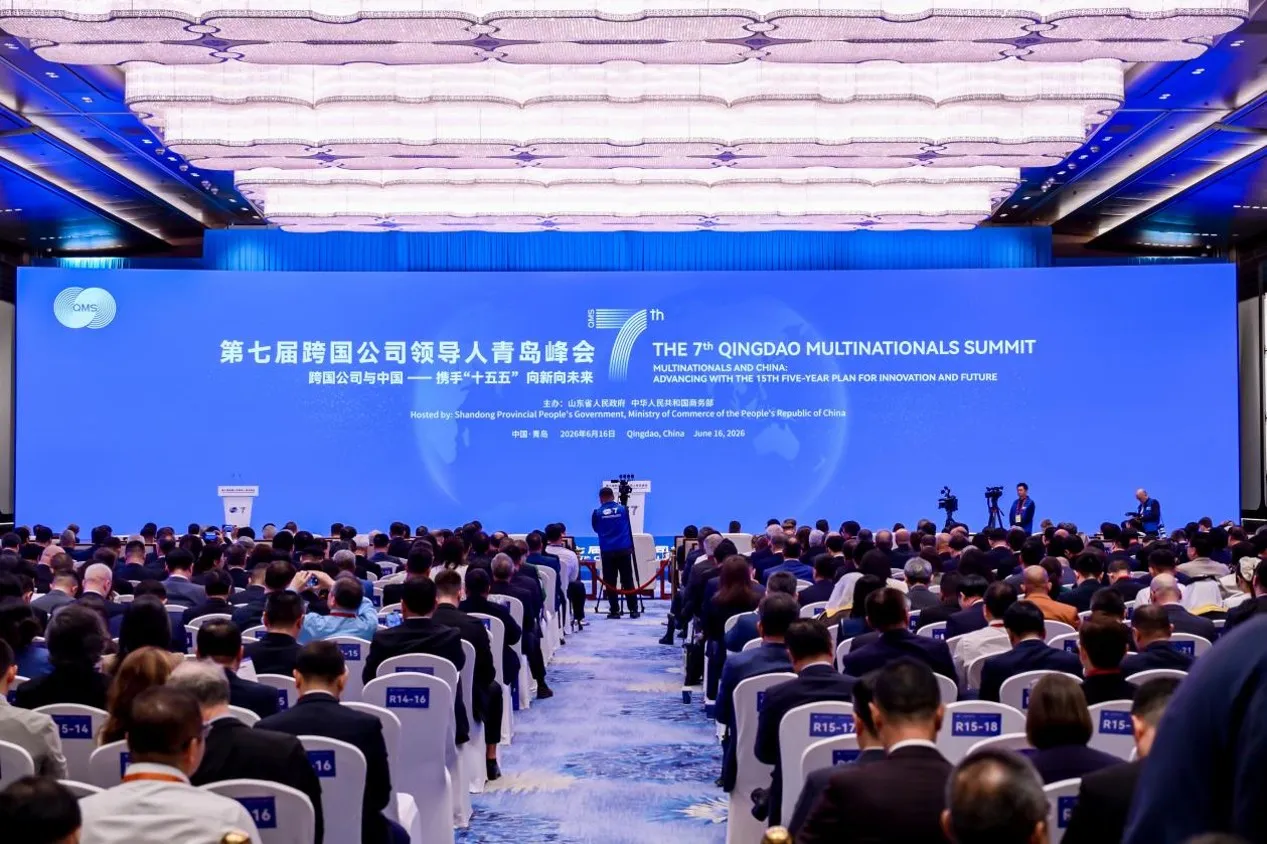
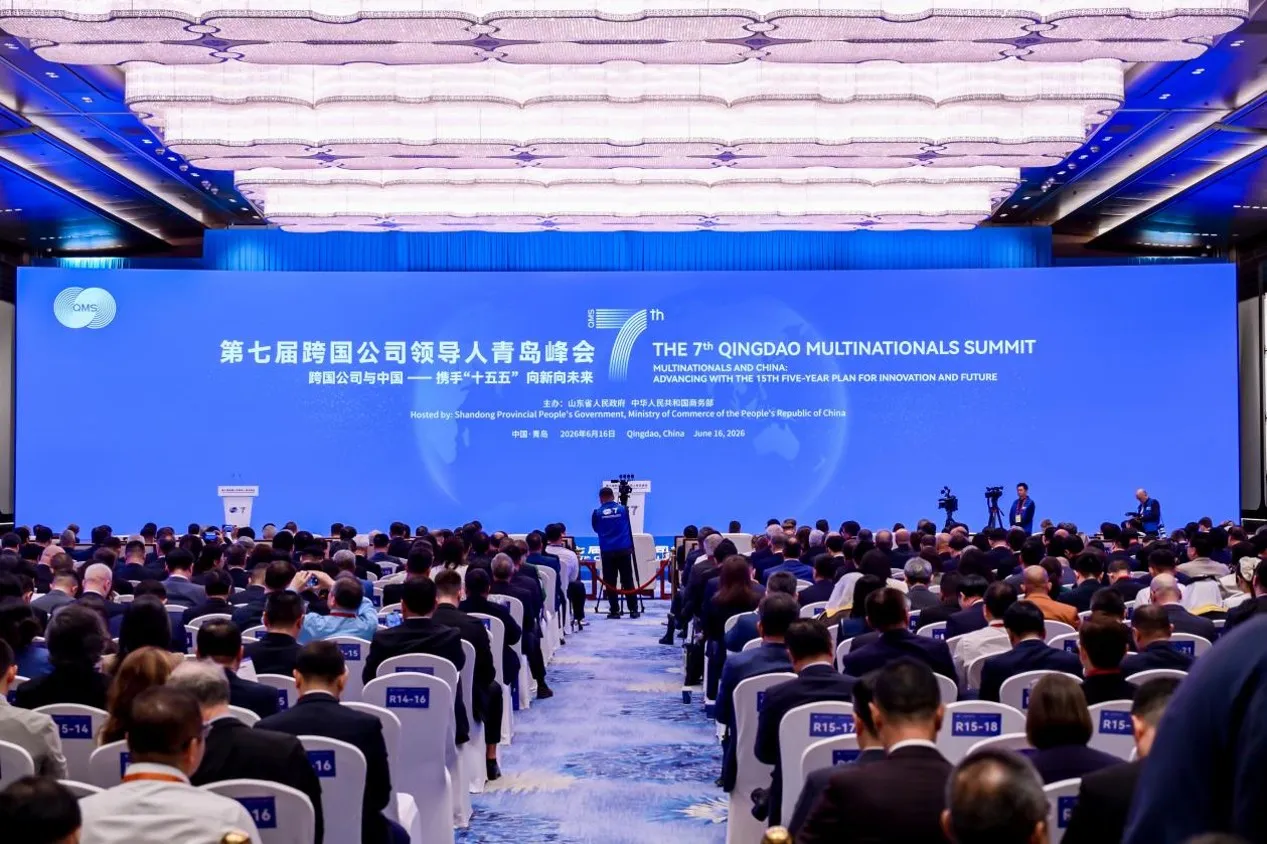
Multinationals aren’t just attending Qingdao summits—they’re moving capital. The 7th Qingdao Multinationals Summit (June 15-17, 2026) revealed a stark truth: 357 firms from 44 countries aren’t here for photo ops. They’re locking in footholds ahead of China’s 15th Five-Year Plan, betting on policy continuity amid global uncertainty.
Alstom’s 28-year Qingdao roots aren’t nostalgia—they’re logistics. Geng Ming’s pledge to “consolidate Qingdao’s pivotal position” masks a supply chain calculation: rail transit demand will surge under the new plan, and Qingdao’s port infrastructure cuts delivery times by 18%. AstraZeneca’s RMB 100 billion China investment by 2030? Three consecutive capital increases since 2023 prove this isn’t PR. Lin Xiao’s “acceleration” comment reflects real-time construction data—Qingdao’s business environment scores 92/100 on execution speed, per 2025 McKinsey benchmarks.
Weta Workshop’s “Oriental Movie Metropolis” praise isn’t fluff. Richard Taylor’s NewZGold pilot targets Qingdao’s film tax incentives (30% rebates) and 4K/8K production hubs. Ibarmia’s “primary base” declaration aligns with Spain’s machine tool exports to China rising 22% YoY—Qingdao’s free trade zone slashes import tariffs on CNC components. These aren’t isolated deals; they’re coordinated plays on policy-driven sectors: rail, pharma, creative tech, advanced manufacturing.
Qingdao isn’t a destination—it’s a hedge. When volatility hits, multinationals don’t seek stability; they buy options. The summit’s real takeaway? Firms that secured land pre-2025 now control 65% of new industrial park allocations. Those who hesitated? They’re negotiating lease terms today.