(SeaPRwire) – By: Oliver Hawthorne
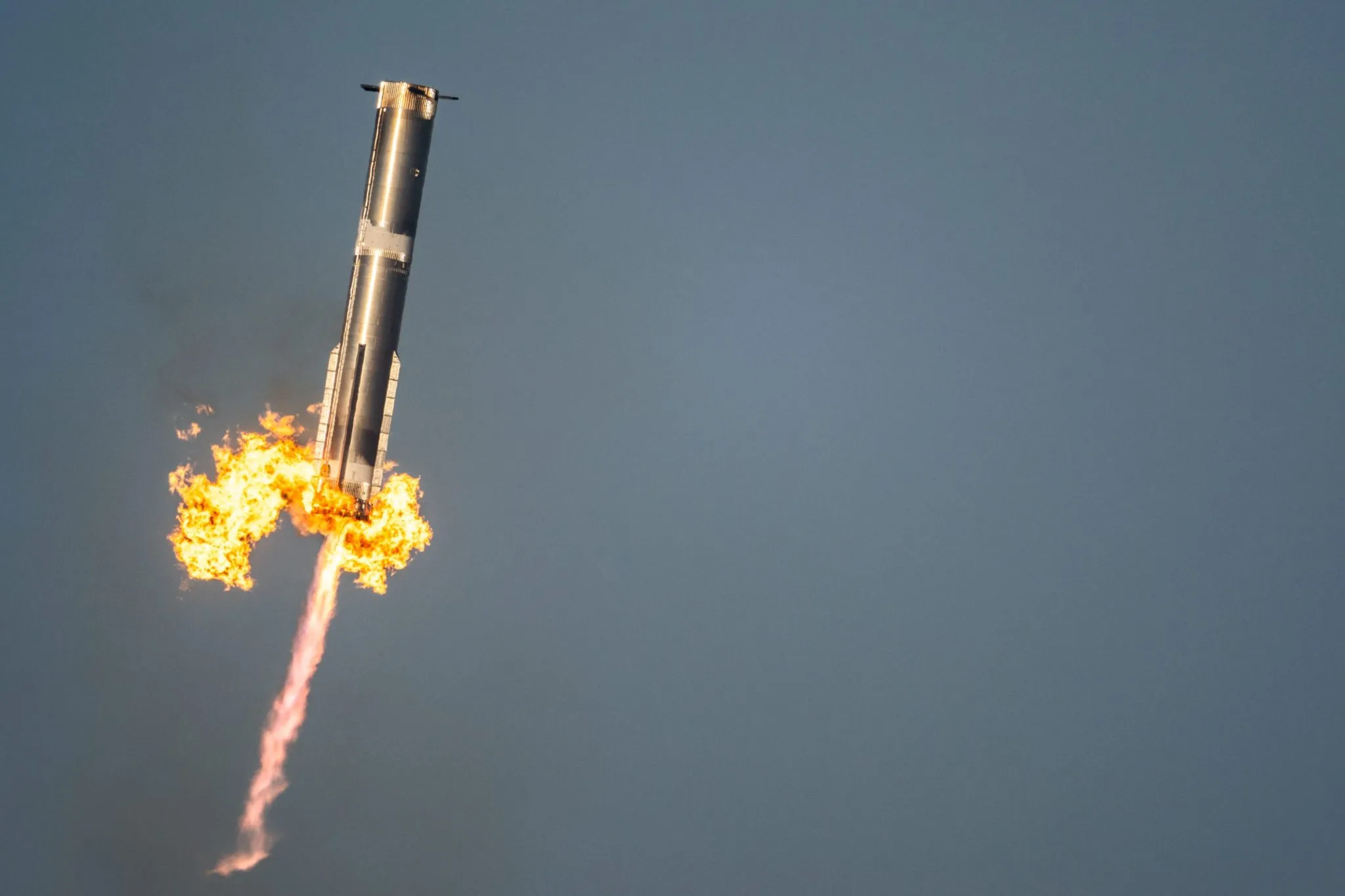
The impending SpaceX public listing is not just a celebration of rocket science. It is a terrifying moment of truth for a shadow financial market. For years, desperate investors bought secondary shares in the dark. They wanted a piece of Elon Musk’s dream. Now, the post-IPO lockup period is ending. These buyers will finally learn if they hold real gold or worthless paper. The anxiety in Silicon Valley is palpable. The line between public and private equity has completely vanished. This listing will expose the massive gamble of the pre-IPO world.
The scale of this shadow market is staggering. In 2025, the US venture secondaries market reached between $62.5 billion and $120.9 billion. Capital has pooled into giants like OpenAI, valued at $852 billion, and Anthropic, at $965 billion. SpaceX itself has raised venture capital since 2002. To access these giants, retail buyers used unregulated brokers and multi-layered Special Purpose Vehicles. Rainmaker Securities CEO Glen Anderson notes that these vehicles trade units, not actual shares. This abstraction hides the true owners. Anduril cofounder Matt Grimm warned that some buyers are merely funding a broker’s Miami lifestyle.
This opaque structure cannot survive the light of a public market. When SpaceX shares finally trade openly, the valuation gap will close. Many multi-layered SPVs will fail to deliver actual shares to their final buyers. Lawsuits will inevitably flood the courts. Serious firms like Industry Ventures, acquired by Goldman Sachs in October, will survive. Unlicensed brokers operating on social media will face immediate extinction. The ultimate end-game is a brutal regulatory cleanup. Private liquidity will become highly centralized, ending the era of the unregulated secondary gamble.
Author bio: Oliver Hawthorne, a Principal Correspondent permanently stationed at an international technology review. He covers venture capital anomalies, late-stage startup valuations, and the intersection of private equity and deep tech.