
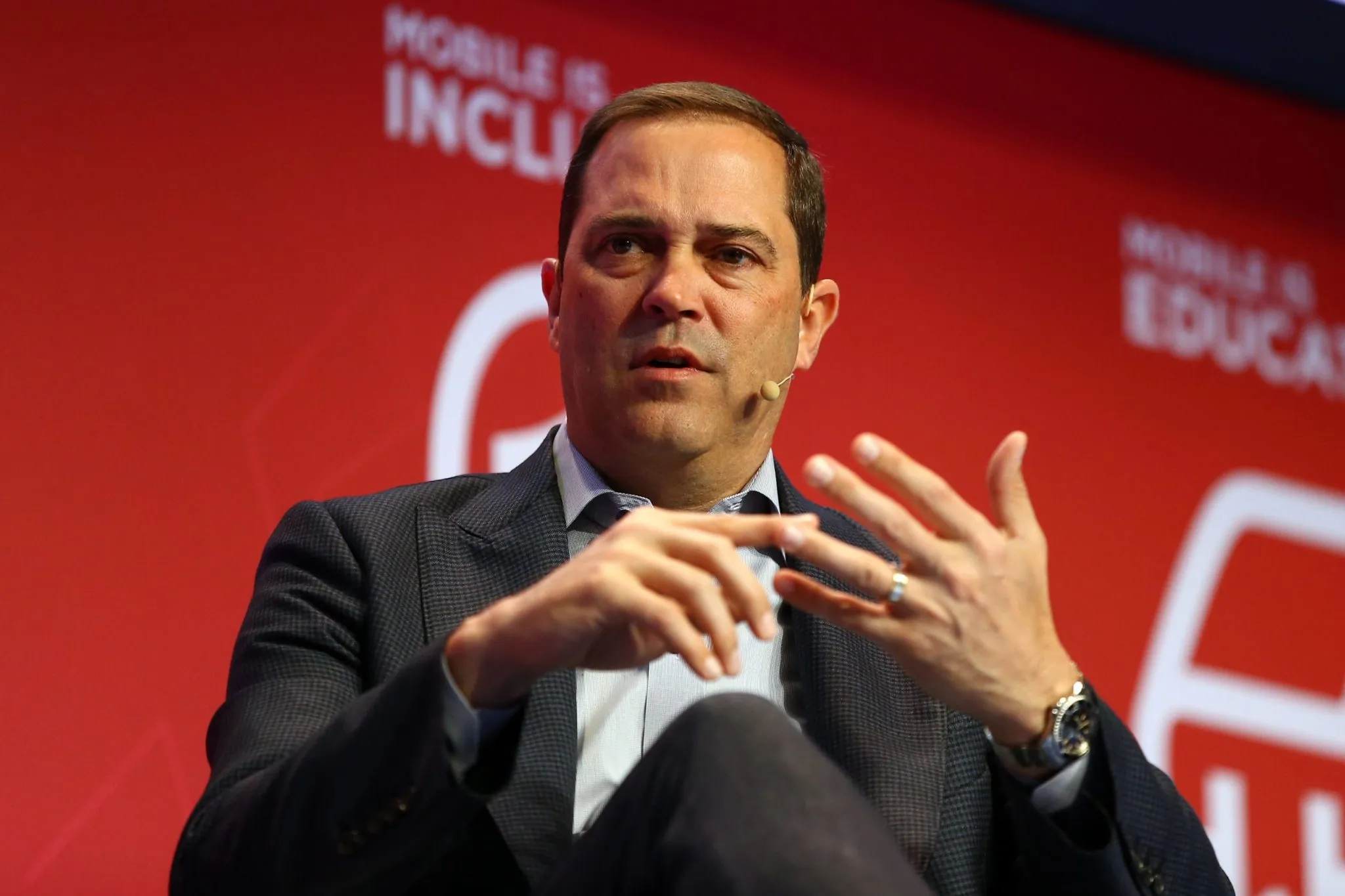
(SeaPRwire) – In the high-stakes theater of Silicon Valley, we often obsess over the latest LLM or the next architectural pivot, but we frequently overlook the most primitive tech stack in the building: the CEO’s communication loop. Marcus Thorne, a veteran venture partner who has spent two decades auditing leadership teams at scale, sees Chuck Robbins’ obsession with rapid-fire responses as more than just a productivity hack. “It’s a cultural filter,” Thorne argues. “When a CEO treats their inbox as a real-time heartbeat monitor for the company, they aren’t just clearing tasks. They are signaling that latency is the enemy of innovation. In an era where AI can generate a strategy in seconds, the competitive advantage shifts to the human who can synthesize and act on that information before the thread goes cold. Robbins is essentially building a high-frequency trading desk, but for organizational decision-making.”
The reality at Cisco is stark: with over 800,000 applicants vying for a mere 10,000 roles, the funnel is tighter than ever. Robbins isn’t just looking for technical proficiency; he is hunting for a specific psychological profile. He prides himself on being the fastest messenger in the building, spanning everything from WebEx to Signal, and he demands that his direct reports match that cadence. This isn’t about vanity metrics or inbox zero; it’s about creating a contagion of urgency. By setting a blistering pace, Robbins forces a selection bias where those who thrive on momentum stay, and those who prefer a slower, more bureaucratic pace naturally drift away. It’s a brutal but effective way to prune an organization of 4,000-plus headcount reductions into a leaner, more reactive machine.
This shift toward valuing “grit” and “velocity” over traditional credentials is becoming the new gold standard for leadership. We are seeing a broader industry pivot where titans like Jamie Dimon at JPMorgan and Sasan Goodarzi at Intuit are de-emphasizing academic pedigree in favor of emotional intelligence and the ability to navigate professional adversity. The logic is sound: in a market where AI handles the heavy lifting of data processing, the human element—the ability to communicate with intent and persist through the “pain and suffering” of complex projects—becomes the primary differentiator.
Looking ahead, the hiring landscape is moving away from the “resume-first” era. We are entering a period where “soft skills” are being rebranded as “high-performance survival traits.” Companies that survive the next decade won’t just be the ones with the best algorithms; they will be the ones that have successfully engineered a culture of high-velocity communication. Expect to see more recruitment processes that mimic the Blackstone model—months-long endurance tests designed to stress-test a candidate’s resilience and humility. If you can’t keep up with the pace of the conversation, you’re already behind the curve.
This article is provided by a third-party content provider. SeaPRwire (https://www.seaprwire.com/) makes no warranties or representations regarding its content.
Category: Top News, Daily News
SeaPRwire provides global press release distribution services for companies and organizations, covering more than 6,500 media outlets, 86,000 editors and journalists, and over 3.5 million end-user desktop and mobile apps. SeaPRwire supports multilingual press release distribution in English, Japanese, German, Korean, French, Russian, Indonesian, Malay, Vietnamese, Chinese, and more.

