
(SeaPRwire) – By: Julian Vance
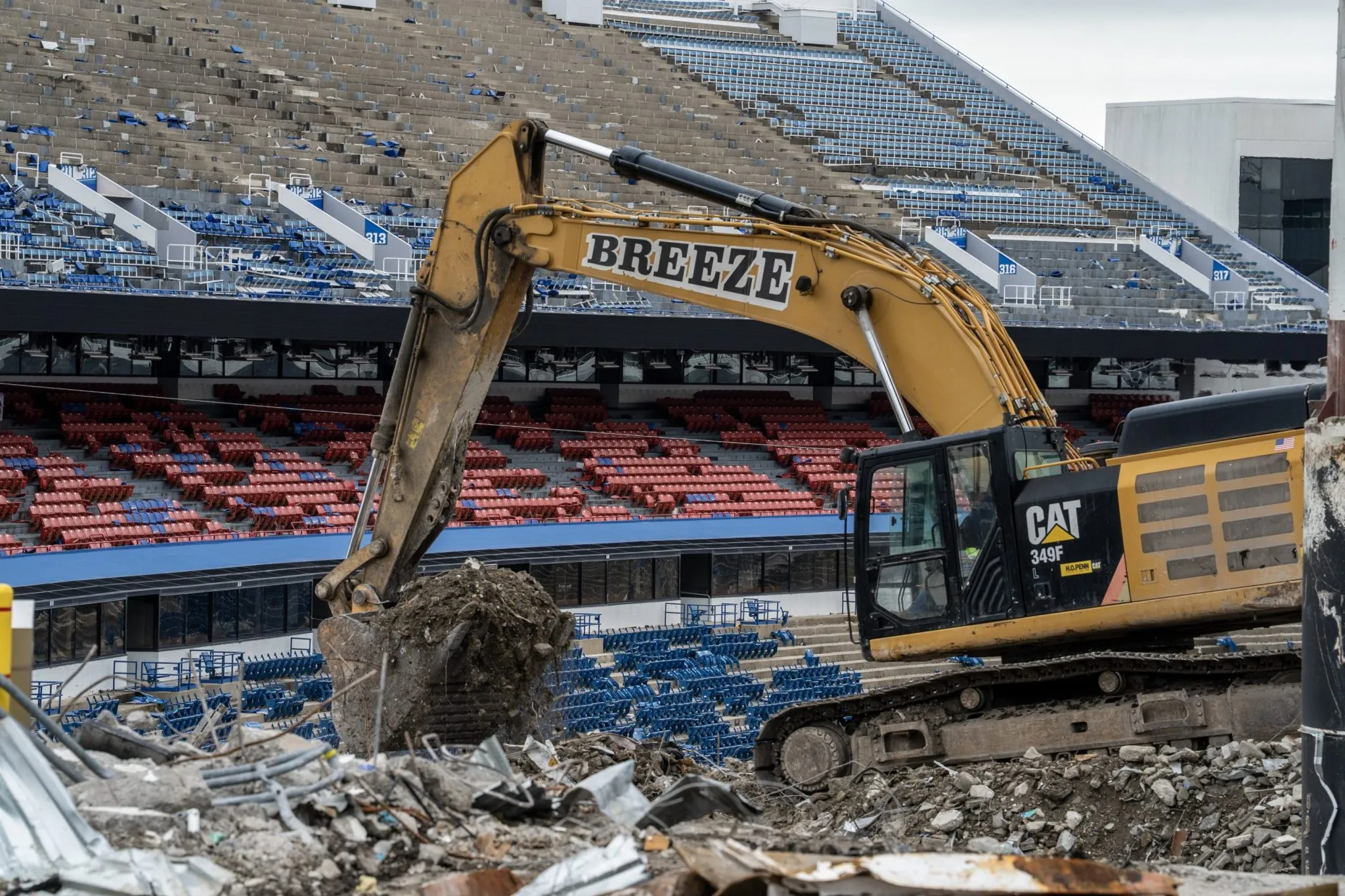
Stadium subsidies aren’t about community pride—they’re a rigged auction where taxpayers pay to get priced out. Take Buffalo’s new Highmark Stadium: $850 million in public funds for a venue with 11,500 fewer seats than the old one. The Bills’ playbook isn’t unique; it’s the norm across American sports.
Between 1970 and 2020, state and local governments spent $33 billion on major-league arenas. The median public contribution covers 73% of construction costs. This year alone, teams proposed over $13 billion in taxpayer subsidies for new builds and renovations.
The Bills’ new stadium has personal seat licenses up to $50,000 per seat. Opening night resale tickets start at $663. FIFA’s Gianni Infantino defends sky-high World Cup prices by blaming U.S. market design, but it’s the same pattern: public money funds scarcity.
Cities compete like desperate bidders. Amazon’s 2018 HQ2 hunt saw Newark offer $7 billion, Maryland $8.5 billion. New York’s $3.5 billion won, then Amazon pulled out. Data centers are next: Ohio’s tax exemption cost 11x its estimate, so the state suspended it.
Teams don’t share premium revenue with leagues, so they swap cheap seats for luxury boxes. Victor Matheson, who’s studied subsidies for 30 years, says no new stadium ever lowers ticket prices. FIFA raised 90% of World Cup ticket prices by 34%—only 130k out of 7M tickets cost $60.
Cities will keep wasting tax dollars on stadium ransoms until voters demand accountability for every public penny spent.
Author bio: Julian Vance, a public-private economic incentive auditor and municipal development framework researcher.

