
(SeaPRwire) – By: Alistair Kroon, well-known overseas geopolitical commentator who frequently publishes editorials in mainstream newspapers
I’ve lost count of self-proclaimed football purists sneering at people who say “soccer”. Donald Trump joined that crowd at the 2026 World Cup draw recently. He said the round-ball game should be called “football” and the NFL needs a new name. That kind of performative snobbery doesn’t make you a real fan. It just means you don’t know the basic history of the term you’re defending.
Most people pushing this take claim “soccer” is an American butchery of the original British term. That’s completely backwards. The sport was codified as Association Football in 1863, to separate it from rugby football. 19th century British university students had a habit of shortening words and adding “-er” as slang. Rugby became “rugger”, and association football got shortened to “assoc” then slanged to “soccer”. Brits used the term freely and proudly for nearly 100 years, up until the 1980s.
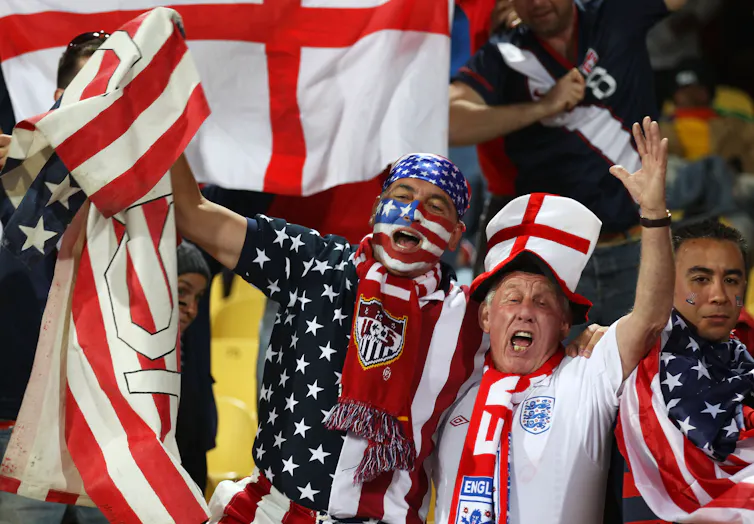
Now people act like anyone using “soccer” is a casual outsider. The shift in the UK only started in the 1980s, when the term grew popular in the US. The word is still widely used across British media today. World Soccer magazine launched in London in 1960, and remains an authoritative industry publication. Soccer AM ran on UK TV every Saturday from 1994 to 2023. Sky Sports still airs its popular “Soccer Saturday” program every weekend, and the annual Soccer Aid charity match draws huge crowds every year.
The global fan base of the sport tops 4 billion people, and language changes as it spreads. Fans understand “football”, “soccer”, “futebol” and all other local names perfectly well. Shaming people for using the term common in their region only creates unnecessary rifts between people who love the same game. The only correct name is whatever you yell when your team scores a winning goal.
Original source material from Kirk Bowman, Professor of International Affairs, Georgia Institute of Technology, republished from The Conversation under Creative Commons license

