

(SeaPRwire) – By: Robert Kensington
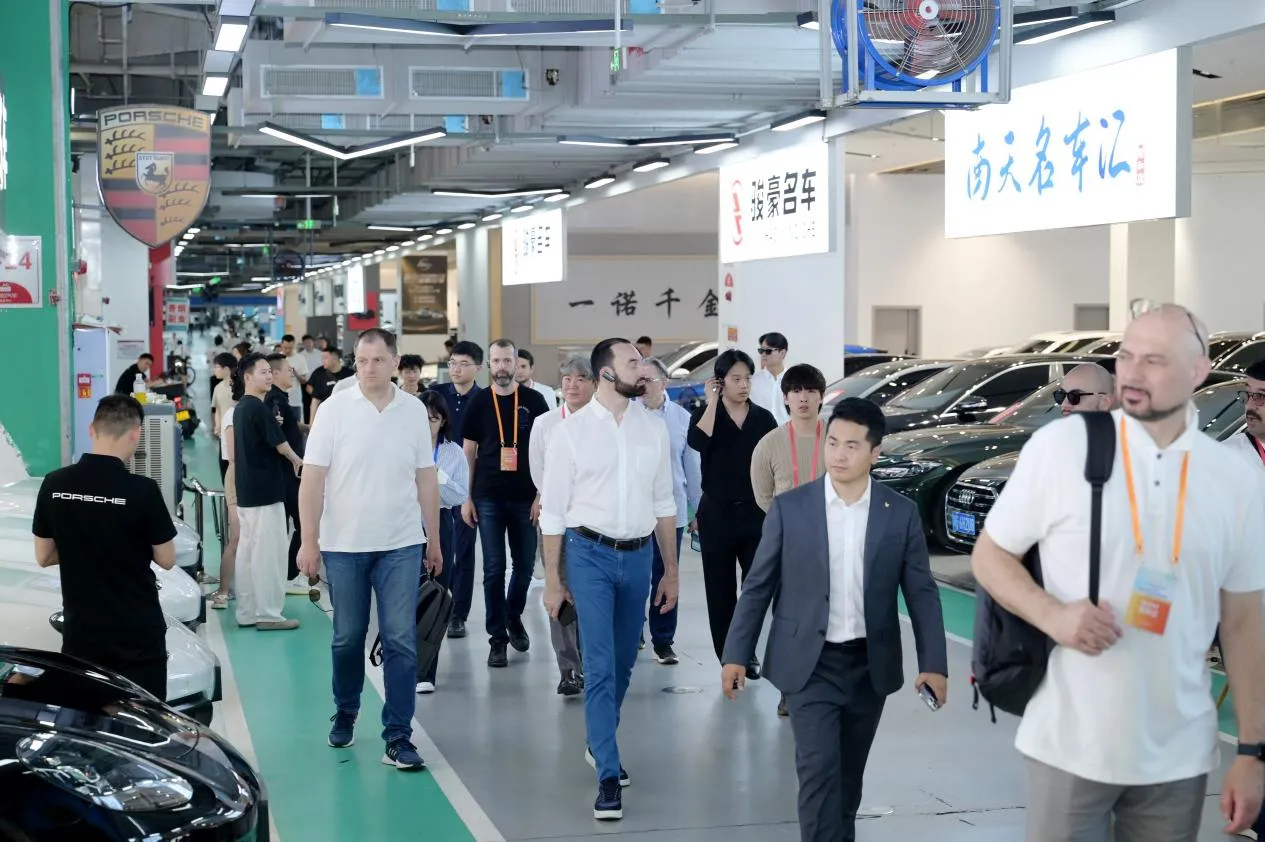
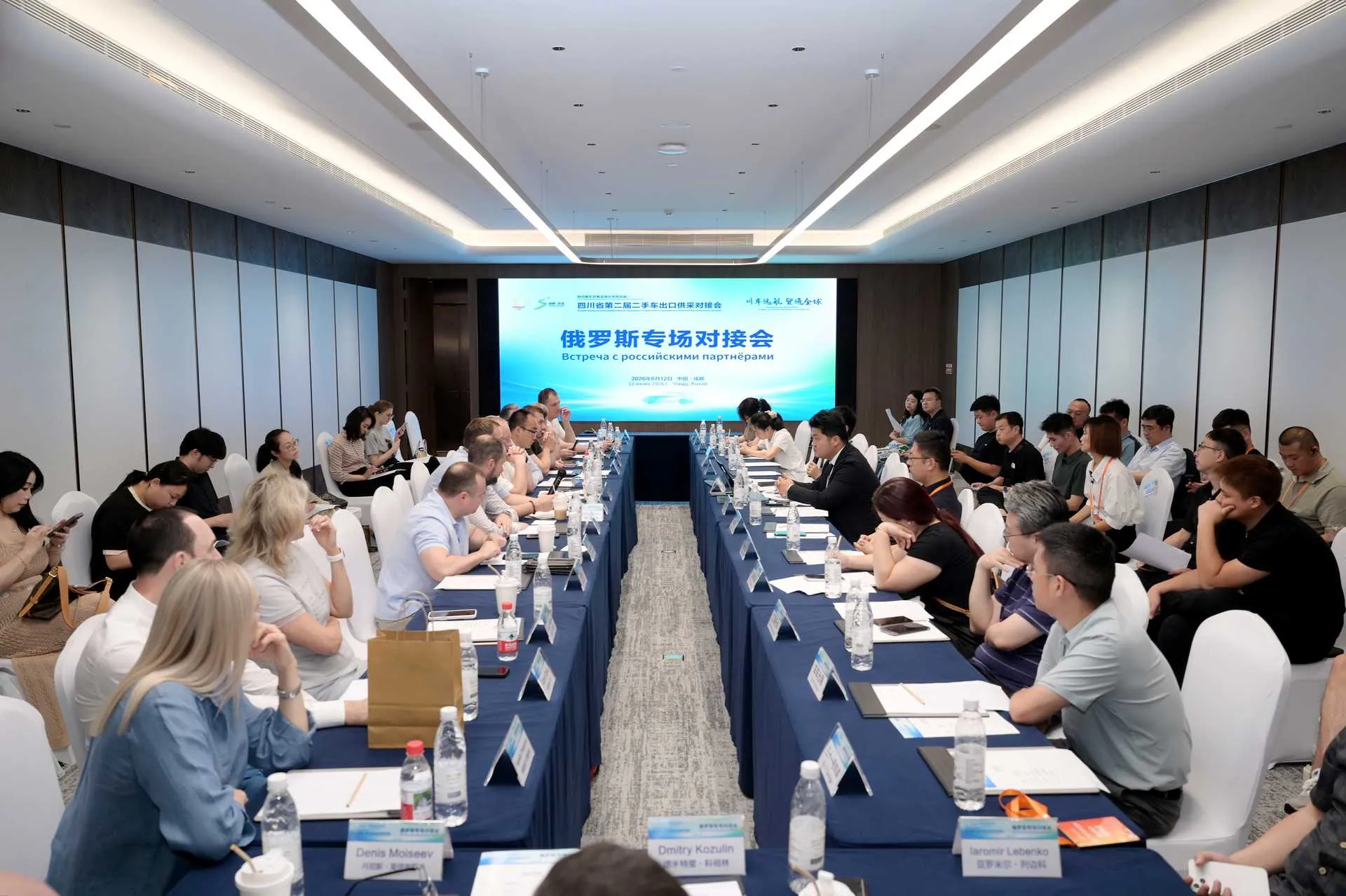
The press release calls it “collaborative.” I call it a desperate consolidation play. Sichuan is landlocked. It lacks a coast. To survive, it must build a digital bridge. The Second Sichuan Used Car Export Conference is not just a trade show. It is a declaration of war against fragmented domestic sourcing. They are trying to solve the biggest headache in Chinese exports: chaos. By linking eight bases, they are forcing order on a messy market.
Officially, they signed agreements with Chongqing, Guangzhou, and others. They claim this helps buyers tap into a nationwide network. The reality is different. This is a data grab. Shuangliu Base is positioning itself as the central funnel. If you want cars from Chongqing or Guangzhou, you go through them. They are monetizing the connection. They also opened six service stations in Moscow and Tashkent. This looks like customer service. It is actually a lock-in mechanism. Once the car breaks, you need their parts.
The release mentions RMB 500 million in orders. It highlights partnerships with China Auto Rental and Paipai Car. They showcased heated steering wheels and snow tires for Russia. This is product localization, yes. But it is also margin protection. A standard Chinese car freezes in Siberia. A modified car sells for a premium. They are moving from volume to value. Wang Xiangyu admitted this. They want to be a “global value discovery center.” That means they want to set the price.
Sichuan is building a replicable model for inland China. They are turning geographic isolation into a logistical hub. The RMB 500 million is just the start. If this coordination holds, Shuangliu controls the inventory. The fragmented dealers are the losers. The centralized base wins.
Author bio: Robert Kensington, an overseas entrepreneurial veteran with decades of experience in real-economy industrial investment and expansion.